
How to Compare HVAC Maintenance Companies for Your Facility
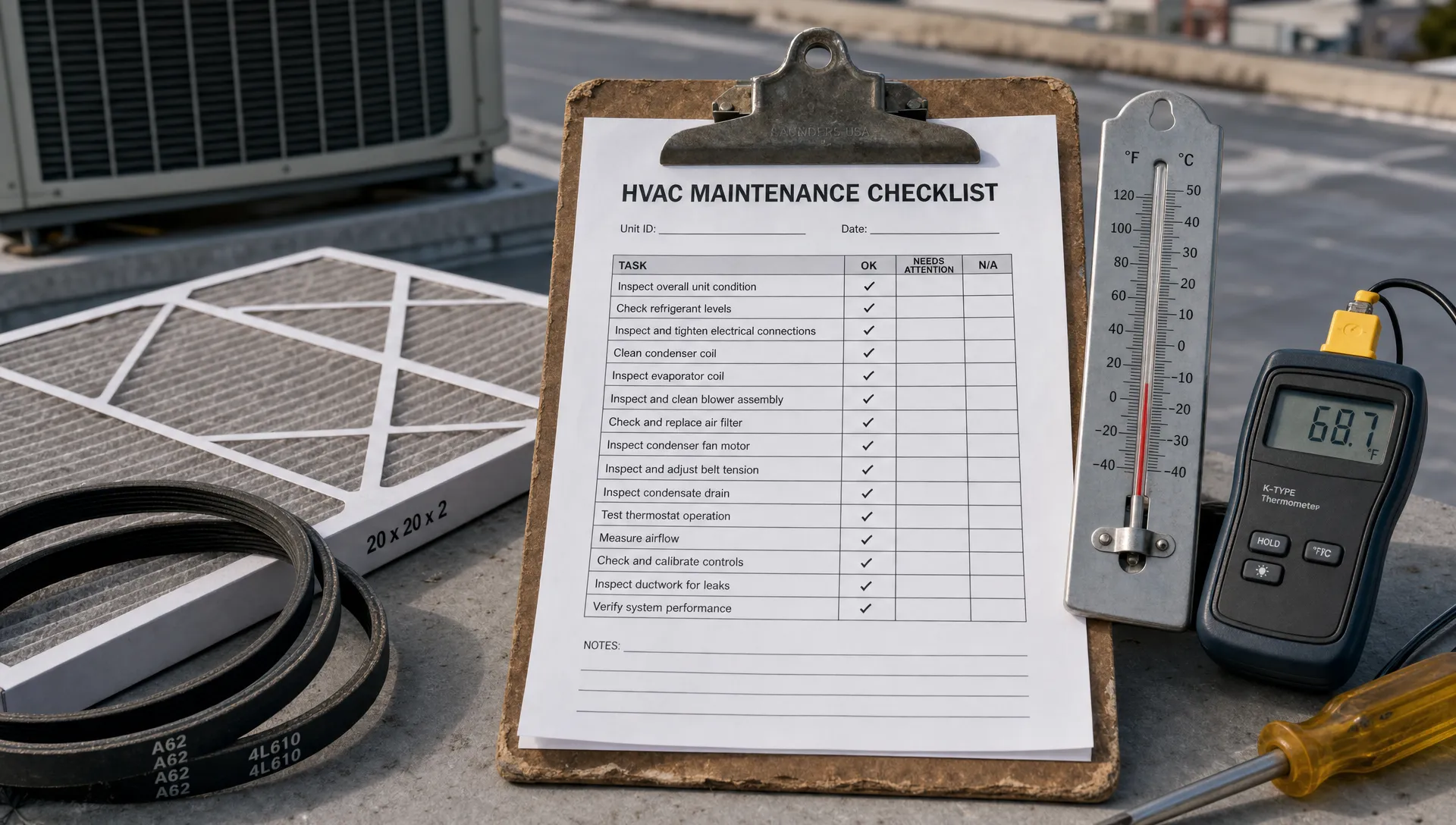
Choosing between HVAC maintenance companies is not the same as choosing who can replace a belt or change filters. For a commercial facility, the right partner affects operating costs, comfort complaints, food safety, production uptime and how quickly your team gets help when a rooftop unit quits during peak hours.
The best comparison starts before you ask for a quote. You need a clear view of your equipment, your risk level and the response you expect when something breaks. A small office, a restaurant with walk-in coolers and a poultry processing facility do not need the same maintenance scope, even if all three have packaged HVAC equipment on the roof.
Use the following framework to compare vendors with less guesswork and fewer surprises after the contract is signed.
Start with your facility's risk profile
A maintenance company can only price and plan accurately if it understands what failure means for your operation. In a retail office, a comfort cooling issue may trigger tenant complaints. In a restaurant, the same cooling problem can overload kitchen ventilation and refrigeration systems. In a cold storage facility, a mechanical or electrical failure can threaten inventory within hours.
Before comparing proposals, build a simple equipment and risk profile. Include the age, brand, model and location of major equipment, along with any recurring issues. Rooftop units, split systems, make-up air units, exhaust fans, boilers, chillers, walk-in coolers, ice machines and control systems should all be documented if they are part of the contractor's scope.
If you are not sure where your current system stands, a structured review like this guide to evaluating a commercial HVAC system can help you separate normal wear from signs that your maintenance program is falling behind.
Compare scope, not just visit frequency
Many proposals look similar at first glance: two visits per year, quarterly inspections or seasonal tune-ups. The real difference is what happens during those visits. One company may perform a quick visual inspection and filter change, while another checks electrical connections, drain lines, coils, belts, bearings, controls, economizers and temperature split readings.
ASHRAE publishes Standard 180, a recognized maintenance standard for commercial HVAC systems. You do not need to memorize it, but it gives facility managers a useful principle: preventive maintenance should be equipment-specific, documented and tied to actual inspection tasks rather than vague promises.
A proposal should make clear which systems are covered, what tasks are included and what is excluded. If it uses broad language like "inspect HVAC equipment" without a checklist, ask for detail before signing.
| Maintenance item | Why it matters | What to ask the contractor |
|---|---|---|
| Filter changes | Dirty filters reduce airflow and strain equipment | Are filters included, and how often are they replaced? |
| Coil cleaning | Dirty coils reduce heat transfer and efficiency | Is cleaning included or billed separately? |
| Belts and bearings | Wear can lead to fan failure and downtime | Are belts adjusted or replaced during visits? |
| Electrical checks | Loose connections and failing components can cause outages | Are amp draws, contactors and terminals checked? |
| Drain lines and pans | Clogs can cause leaks, ceiling damage and shutdowns | Are condensate drains cleared during cooling season? |
| Controls and thermostats | Bad settings can waste energy and create comfort issues | Are schedules, sensors and thermostats verified? |
| Refrigerant checks | Low charge can signal leaks or performance loss | Are pressures and temperatures documented? |
The lowest quote is often the one with the thinnest scope. A facility manager should be able to point to the contract and know exactly what work will be performed at each visit.
Confirm true commercial experience
Residential HVAC experience does not automatically translate to commercial facility maintenance. Commercial sites often involve rooftop units, 3-phase electrical service, larger motors, exhaust systems, make-up air, zoning controls and equipment access issues that do not appear in most homes.
Ask each company what percentage of its work is commercial, not just whether it is willing to work on a business property. A contractor that mainly serves homeowners may be fine for a light office split system, but it may not be the best fit for a restaurant, school kitchen, brewery, warehouse or industrial operation.
For Virginia facilities, verify that the contractor holds the right license for the work being performed. The Virginia Department of Professional and Occupational Regulation license lookup is a useful starting point. You should also confirm insurance coverage, worker safety practices and whether the company handles electrical or refrigeration work in-house or subcontracts it.
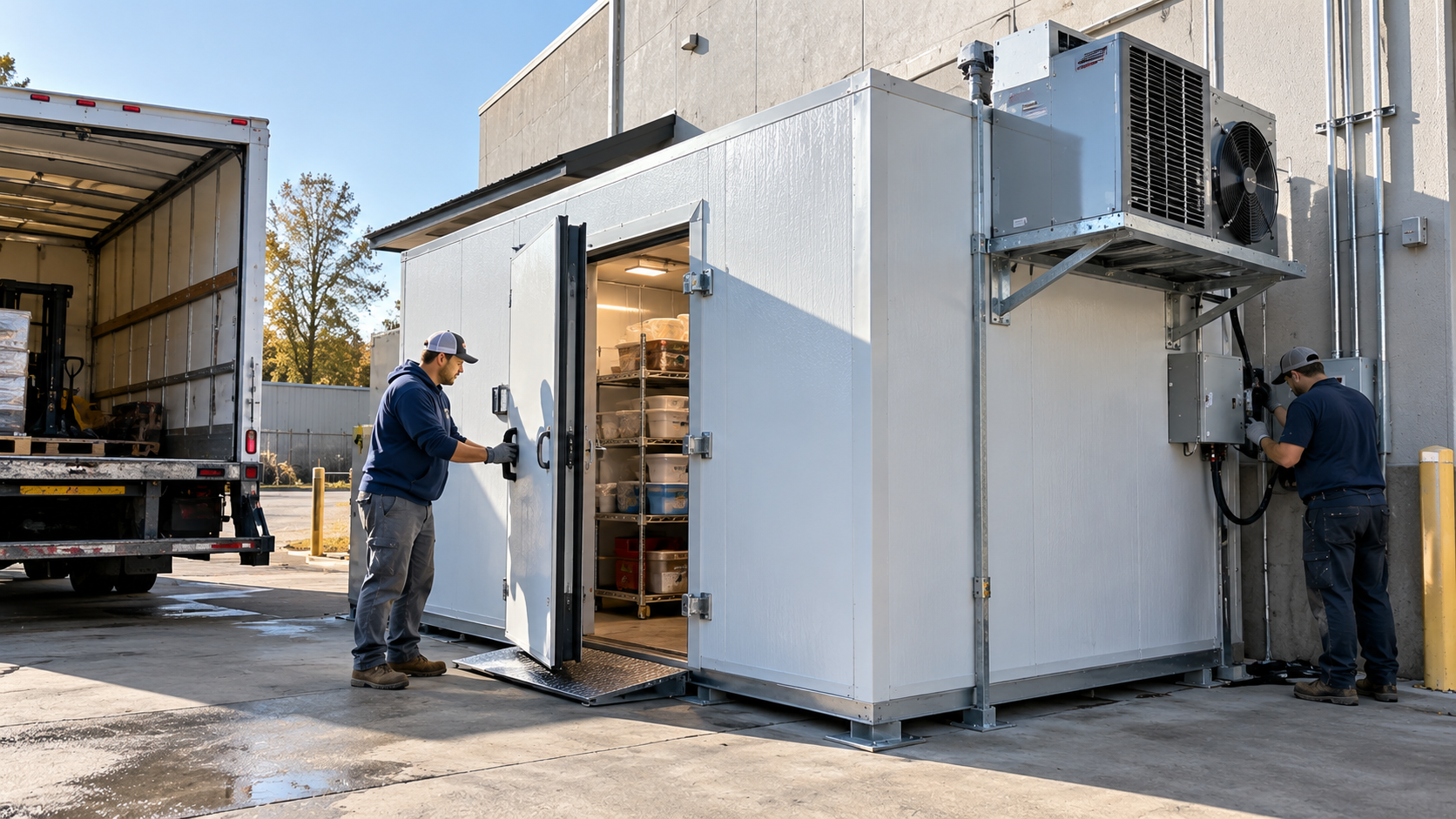
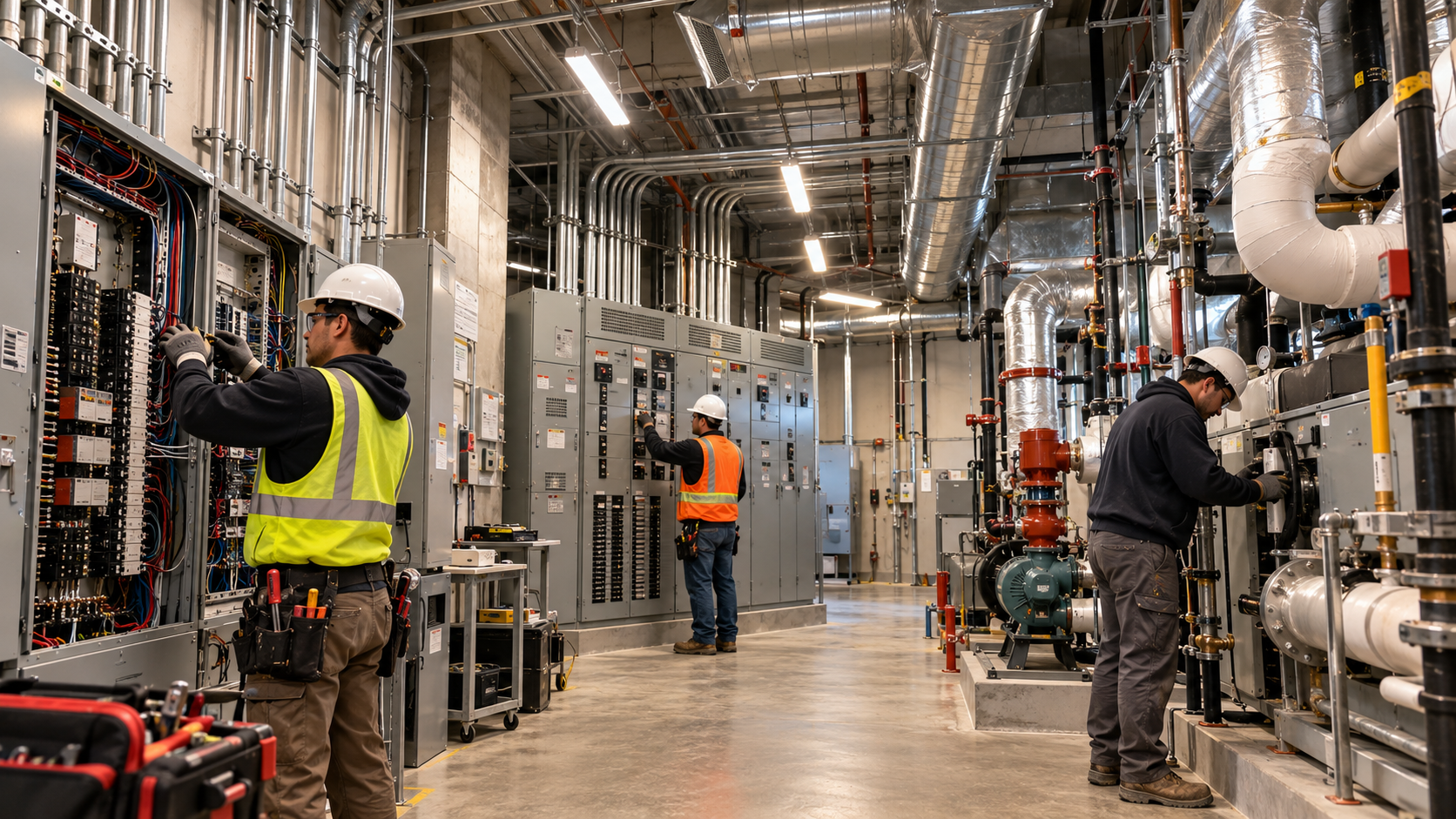
This distinction matters most when systems overlap. A walk-in cooler problem could be a refrigeration fault, a control issue or an electrical problem. A kitchen comfort complaint could involve HVAC, exhaust fans, make-up air or all three. The more your facility depends on integrated systems, the more valuable a multi-trade commercial maintenance partner becomes.
Ask how emergency calls are handled
Maintenance reduces emergencies, but it does not eliminate them. Before you choose a provider, ask what happens when equipment fails after normal business hours.
The answer should be specific. Who answers the phone? Is it a live person, a call center or voicemail? Are commercial maintenance clients prioritized? What response time is typical in your area? Can the company handle after-hours electrical, refrigeration and HVAC calls, or only comfort cooling?
For facilities in central Virginia and the Shenandoah Valley, response planning is especially important during summer heat, winter cold snaps and busy restaurant or event seasons. If your business cannot wait until the next business day, emergency coverage should be part of the comparison.
A direct relationship with a contractor usually beats searching from scratch during a breakdown. This guide on emergency commercial HVAC repair platforms in VA explains why having a known provider can save time when equipment is already down.
Look for repair-first diagnostics
A strong maintenance company should not treat every failure as a replacement opportunity. Replacement is sometimes the right answer, especially when a compressor has failed, a major heat exchanger is unsafe or the equipment is beyond practical repair. But the recommendation should be supported by measurements and evidence.
Ask how technicians document their findings. Good diagnostic work may include electrical meter readings, refrigerant pressures, temperature readings, photos, fault codes and a clear explanation of what failed. If a contractor recommends replacing a unit, ask what repair options were ruled out and why.
Also ask whether technicians are paid commission on replacements. Commission is not automatically a problem, but it can affect trust if every service visit turns into a sales pitch. Facility managers usually want a partner that protects uptime and budget, not one that pushes replacement before repair has been properly evaluated.
Evaluate maintenance records and reporting
A preventive maintenance visit that leaves no record is hard to manage. You need documentation for budgeting, warranty support, compliance, internal reporting and future troubleshooting.
A useful service report should identify the equipment serviced, the date of service, the tasks completed, the readings taken, any parts replaced and any recommendations. For larger facilities, reports should also prioritize issues so your team can tell the difference between a minor observation and a failure risk.
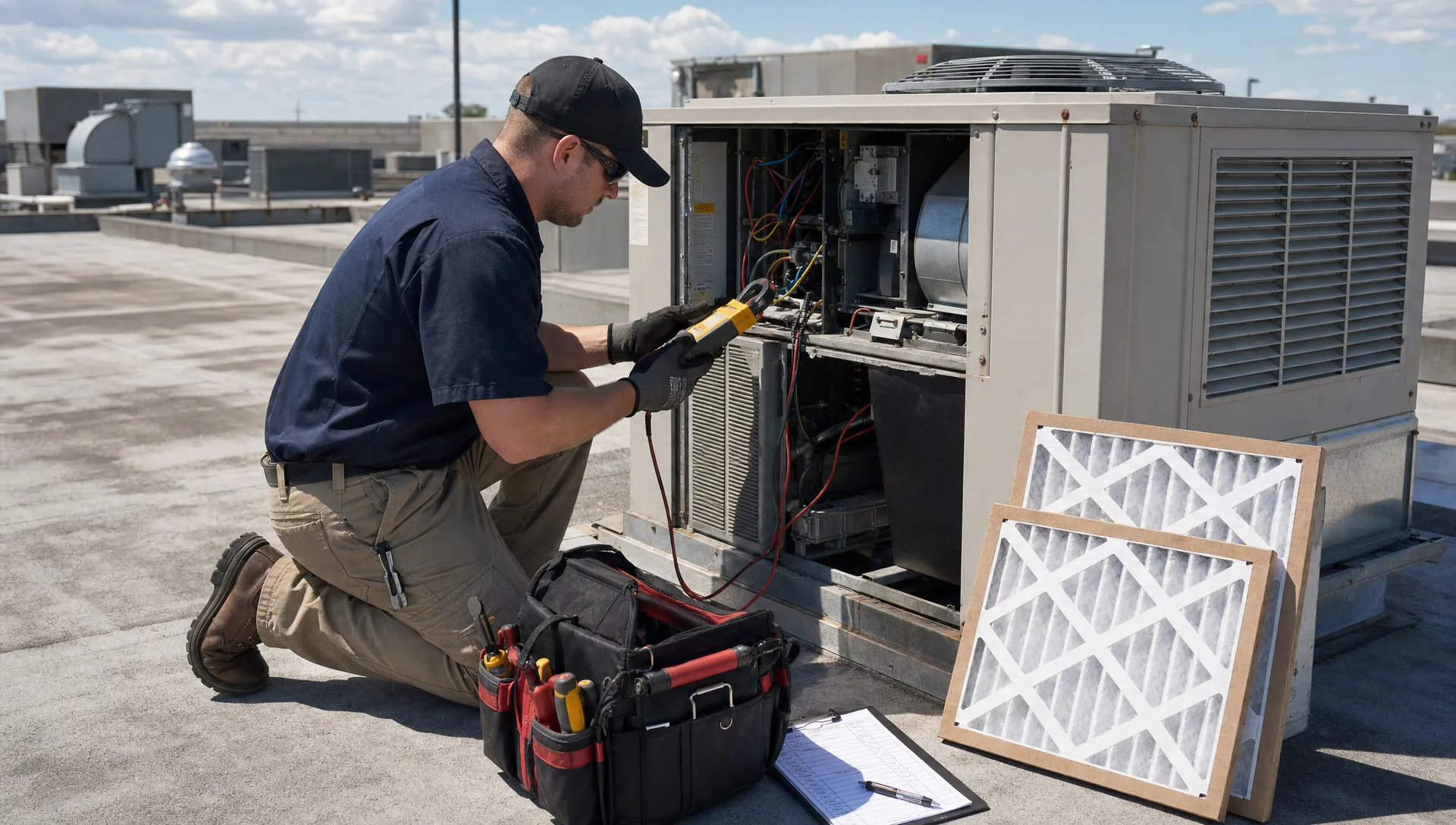
Documentation also helps you compare year over year performance. If the same unit repeatedly needs belts, capacitors or refrigerant, that pattern should show up in the maintenance history. Without records, every visit starts from scratch.
Compare value, not only price
Price matters, but the cheapest maintenance agreement can become expensive if it misses the work your facility actually needs. Downtime, tenant complaints, spoiled product, overtime labor and emergency parts can easily outweigh a small difference in monthly or annual maintenance cost.
When comparing HVAC maintenance companies, review the total value of the agreement:
- Does the scope match your equipment and operating hours?
- Are commercial emergency calls available after hours?
- Are filters, belts and common materials included or separate?
- Does the contractor also service related refrigeration, exhaust, boiler or electrical systems?
- Will you receive written service reports after each visit?
- Are repair recommendations supported by readings and photos?
- Does the company help track warranties and equipment history?
For businesses that want a defined preventive maintenance structure, VA Commercial Repair Solutions outlines a commercial HVAC preventive maintenance service plan for commercial facilities in its Virginia service area. Use any plan you review as a benchmark for scope, visit cadence and accountability.
Check geographic coverage and dispatch practicality
A contractor may advertise service across a wide region, but practical dispatch coverage matters. Ask where technicians are based, which cities they serve regularly and how often they handle calls in your area.
This is especially important for facilities outside major metro areas. A restaurant in Staunton, a school facility in Waynesboro, a warehouse near Fishersville or an industrial site near Harrisonburg may need a contractor that already works along that corridor. Local familiarity can affect response time, parts planning and knowledge of common equipment types in the region.
Do not rely only on a service area map. Ask for recent examples of similar facilities served in your area, without requiring the contractor to disclose private client details.
Review safety, access and roof work practices
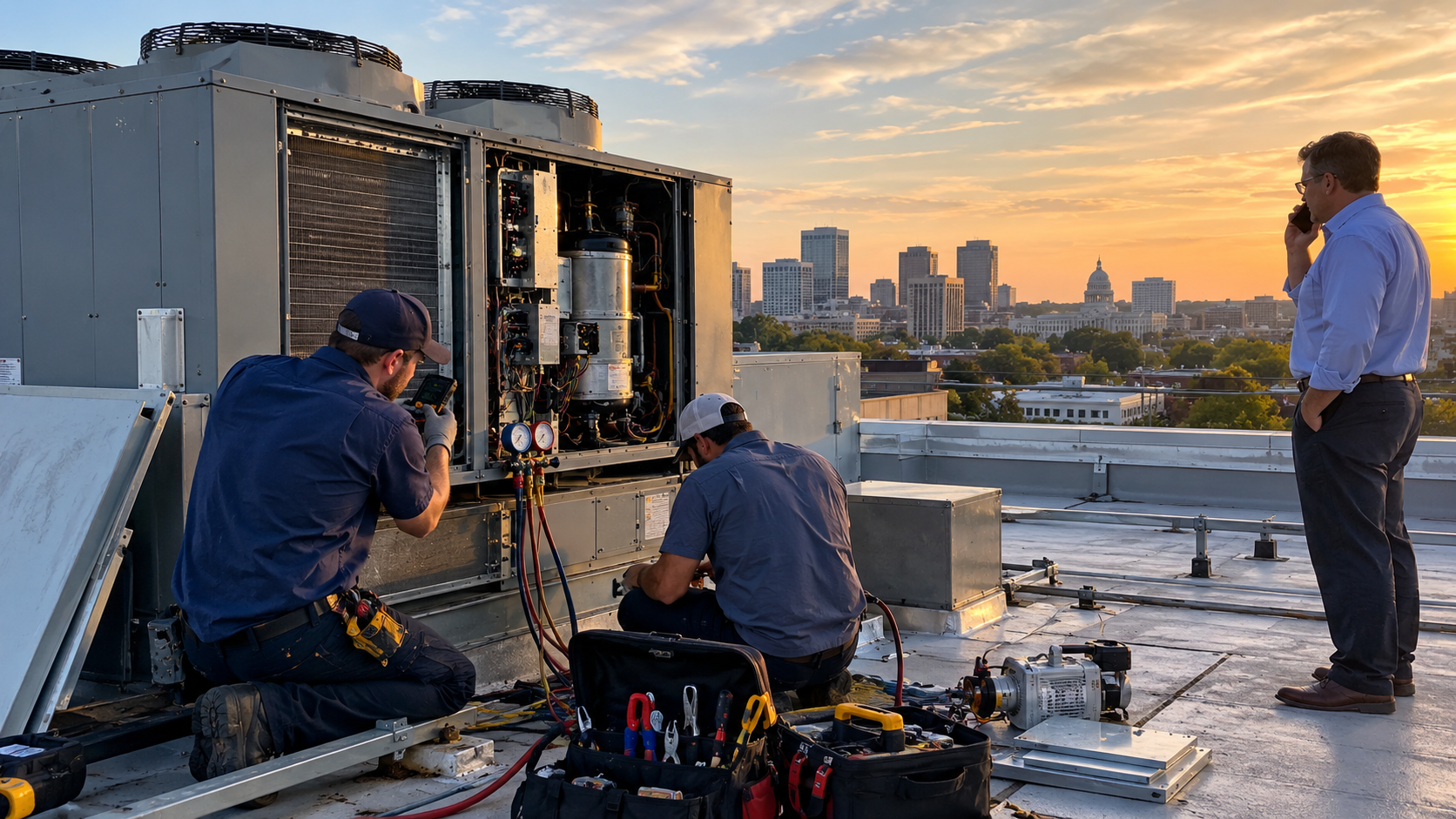
Commercial HVAC work often happens on rooftops, above ceilings, in mechanical rooms or near active production areas. Maintenance companies should be able to explain how they handle access, lockout procedures, roof safety and work around employees or customers.
For rooftop units, ask whether technicians are comfortable with ladder access, roof hatches, fall hazards and equipment staging. For restaurants and food facilities, ask how they schedule work around service hours, sanitation needs and production schedules.
Safety practices should not feel like an afterthought. A company that rushes through access planning may create risks for its technicians, your employees and your property.
Understand exclusions before signing
Every maintenance agreement has limits. The problem is not the existence of exclusions, but unclear exclusions. A good proposal should explain what is included in routine maintenance and what becomes billable repair work.
Common exclusions may include major parts, refrigerant, compressor replacement, coil replacement, after-hours labor, crane service, lift equipment, controls upgrades or repairs caused by pre-existing damage. Some agreements include filter materials, while others bill filters separately.
Ask for these terms in writing. If you manage budgets, you need to know whether the contract reduces surprise costs or simply schedules inspections while leaving nearly everything else as an extra charge.
Watch for red flags
A maintenance company does not need a perfect sales presentation, but certain signs should make you slow down before signing.
- The proposal does not list specific maintenance tasks.
- The company cannot explain its commercial experience.
- Emergency coverage is vague or depends on voicemail.
- Technicians do not provide written service reports.
- Replacement is recommended without diagnostic evidence.
- The company avoids licensing or insurance questions.
- The scope ignores related systems that affect HVAC performance, such as exhaust, make-up air or electrical service.
One red flag may be explainable. Several red flags usually point to a poor fit for a business-critical facility.
Use a simple scoring matrix
When proposals vary in scope, price and format, a scoring matrix keeps the decision grounded. Give each company a score from 1 to 5 in the areas below, then discuss the results with your operations team.
| Category | Weight | What a strong score looks like |
|---|---|---|
| Commercial experience | High | Regular work on facilities similar to yours |
| Maintenance scope | High | Clear task list by equipment type |
| Emergency response | High | Live answering and defined after-hours process |
| Documentation | Medium | Written reports with readings and recommendations |
| Multi-trade capability | Medium | HVAC plus related refrigeration, electrical or mechanical support when needed |
| Licensing and insurance | High | Proper credentials and proof available |
| Pricing clarity | Medium | Clear inclusions, exclusions and repair billing terms |
| Local coverage | Medium | Regular dispatch in your city or corridor |
| Repair-first approach | High | Diagnostic evidence before replacement recommendations |
This matrix helps prevent a common mistake: choosing the lowest bid without noticing that it excludes the work your facility depends on.
Questions to ask before you choose
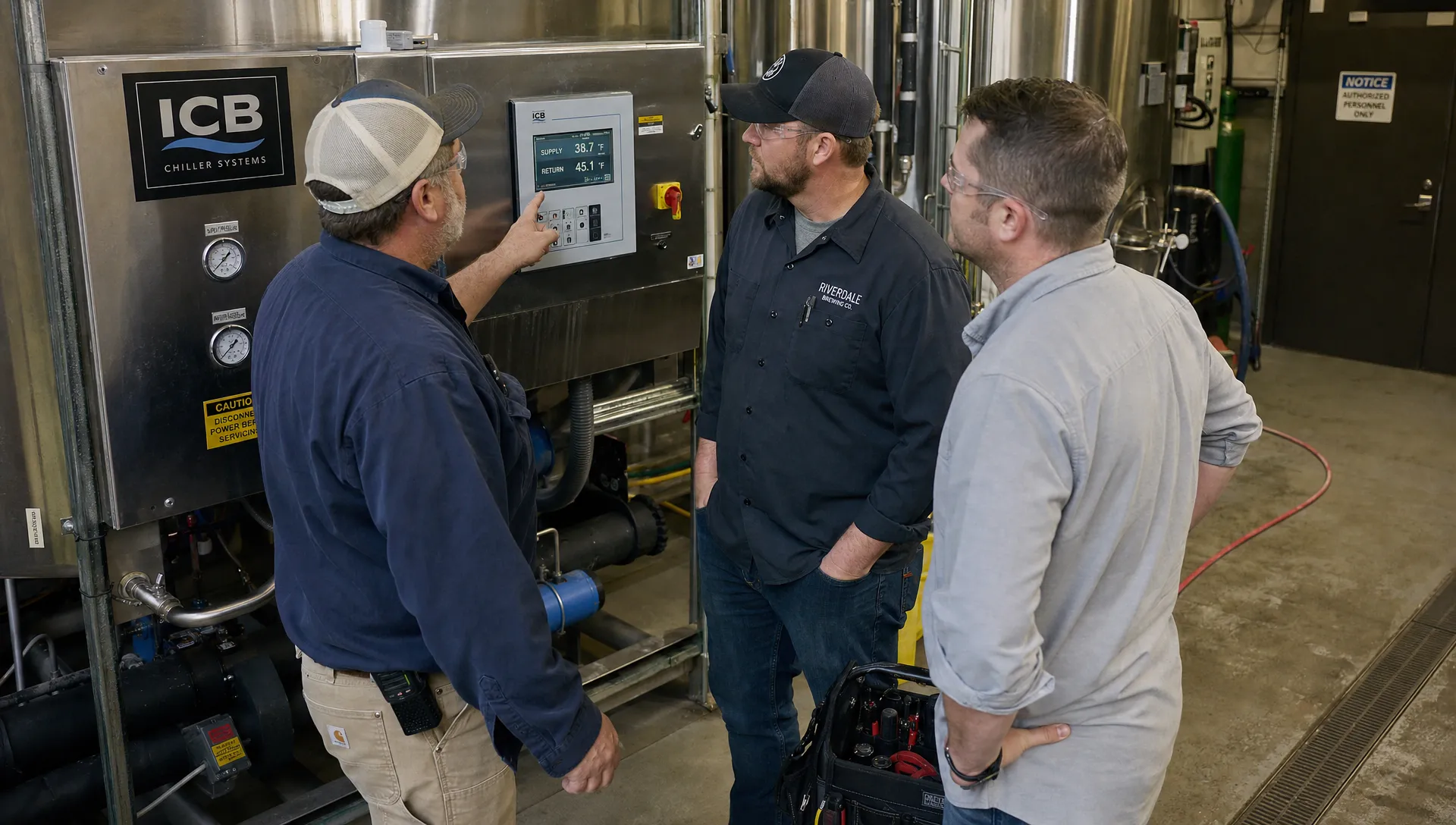
Before selecting a maintenance partner, schedule a short walk-through or discovery call. The answers will tell you more than the brochure.
Ask questions like these:
- What commercial facilities like ours do you maintain?
- Which equipment types are included in the agreement?
- What tasks are performed on each visit?
- Do you provide written reports with readings and photos?
- Who answers emergency calls after hours?
- How do you prioritize maintenance clients during peak demand?
- Are technicians trained on rooftop units, controls, refrigeration or 3-phase electrical equipment?
- What is excluded from the maintenance agreement?
- How do you decide when repair is no longer practical?
A good contractor will welcome detailed questions. The goal is not to interrogate the vendor, but to confirm that both sides understand the facility's needs before there is a breakdown.
Frequently Asked Questions
How many HVAC maintenance visits does a commercial facility need each year? Many commercial facilities schedule at least spring and fall service, but the right frequency depends on operating hours, equipment age, environment, usage intensity and business risk. Restaurants, production facilities and buildings with critical cooling needs may require more frequent visits.
Should I choose a local HVAC maintenance company or a national provider? Local companies can offer faster familiarity with your facility and service area, while national providers may suit large multi-site portfolios. For a single facility or regional group of facilities, response time, commercial expertise and accountability are usually more important than brand size.
What should be included in a commercial HVAC maintenance contract? A solid contract should list covered equipment, visit frequency, maintenance tasks, reporting requirements, emergency procedures, included materials, exclusions and repair billing terms. Avoid agreements that promise general inspections without defining the work.
Is preventive maintenance worth it for newer HVAC equipment? Yes. Newer equipment still needs airflow checks, coil cleaning, electrical inspections, drain maintenance and controls verification. Routine maintenance can also support warranty documentation and catch installation or operating issues early.
Can one contractor maintain HVAC, refrigeration and electrical systems? Some commercial contractors are licensed and staffed across multiple trades. This can be useful for restaurants, cold storage, food processing and facilities where mechanical, refrigeration and electrical problems overlap. Always verify licensing and scope before assuming one company can handle everything.
Need a commercial maintenance partner in central Virginia?
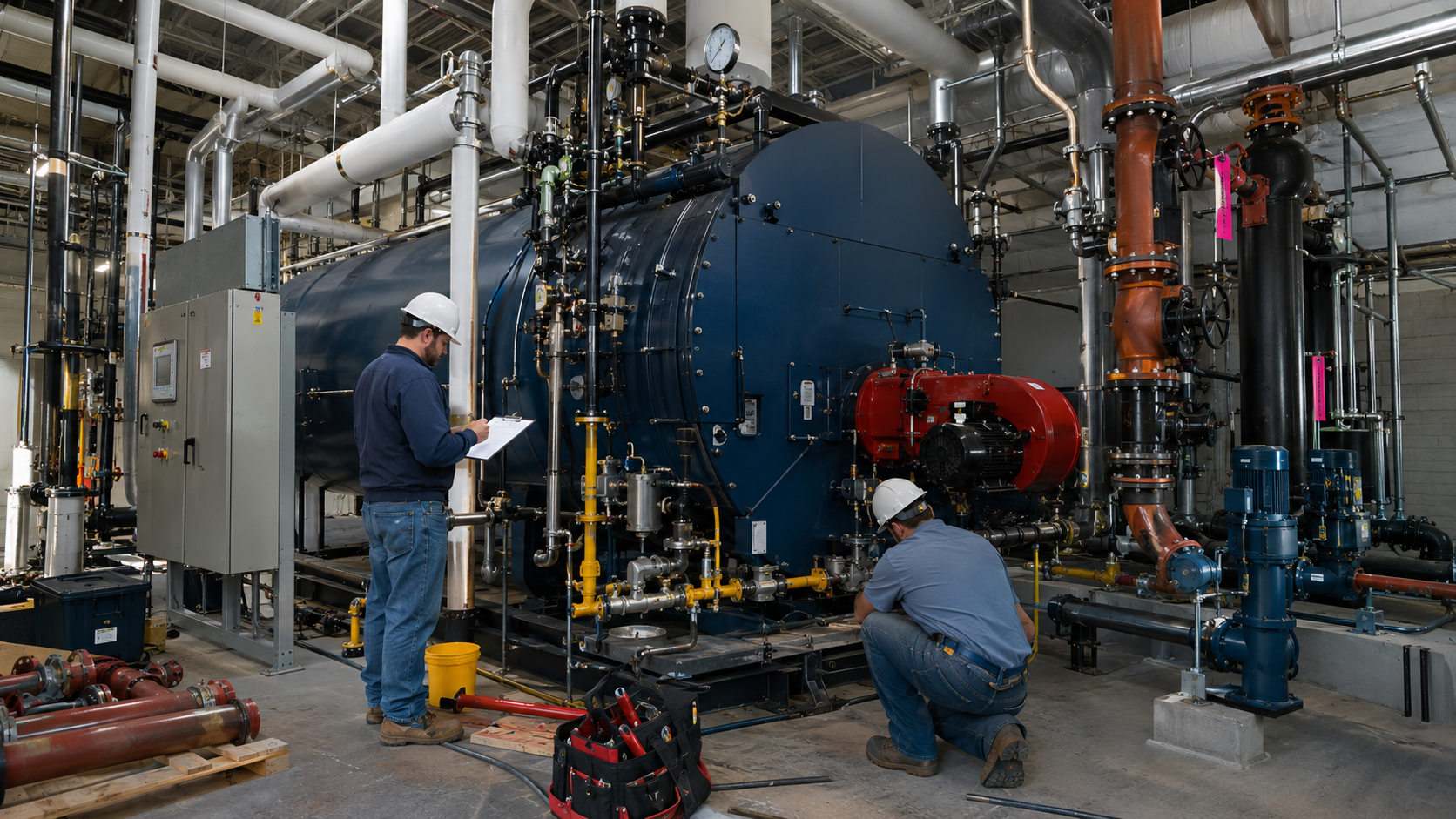
If your facility is in Charlottesville, Harrisonburg, Waynesboro, Staunton, Lexington, Fishersville or the surrounding Shenandoah Valley area, VA Commercial Repair Solutions works with commercial and industrial clients across HVAC, refrigeration, electrical, boilers, chillers, ice makers, exhaust systems and related facility equipment.
The company is a Class A mechanical and electrical contractor based in Fishersville, VA, with live-person phone answering 24/7. To discuss maintenance options for your facility, contact VA Commercial Repair Solutions or call (540) 457-4822.
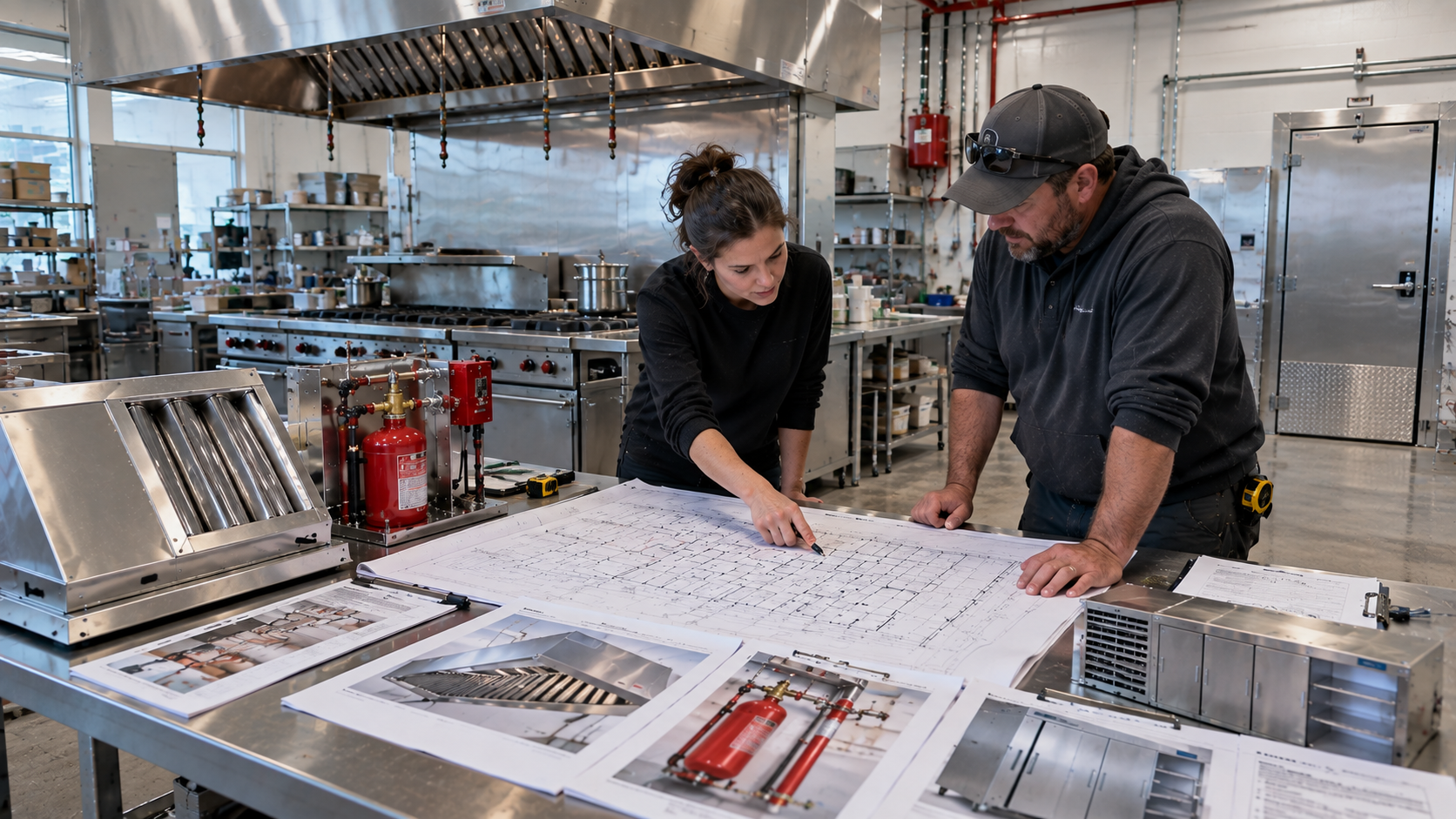
Opening a Restaurant in Virginia: Kitchen Design, Hood, Fire Suppression and Refrigeration Checklist