
4 Best 24/7 Emergency Commercial HVAC Repair Companies in Virginia (2026)
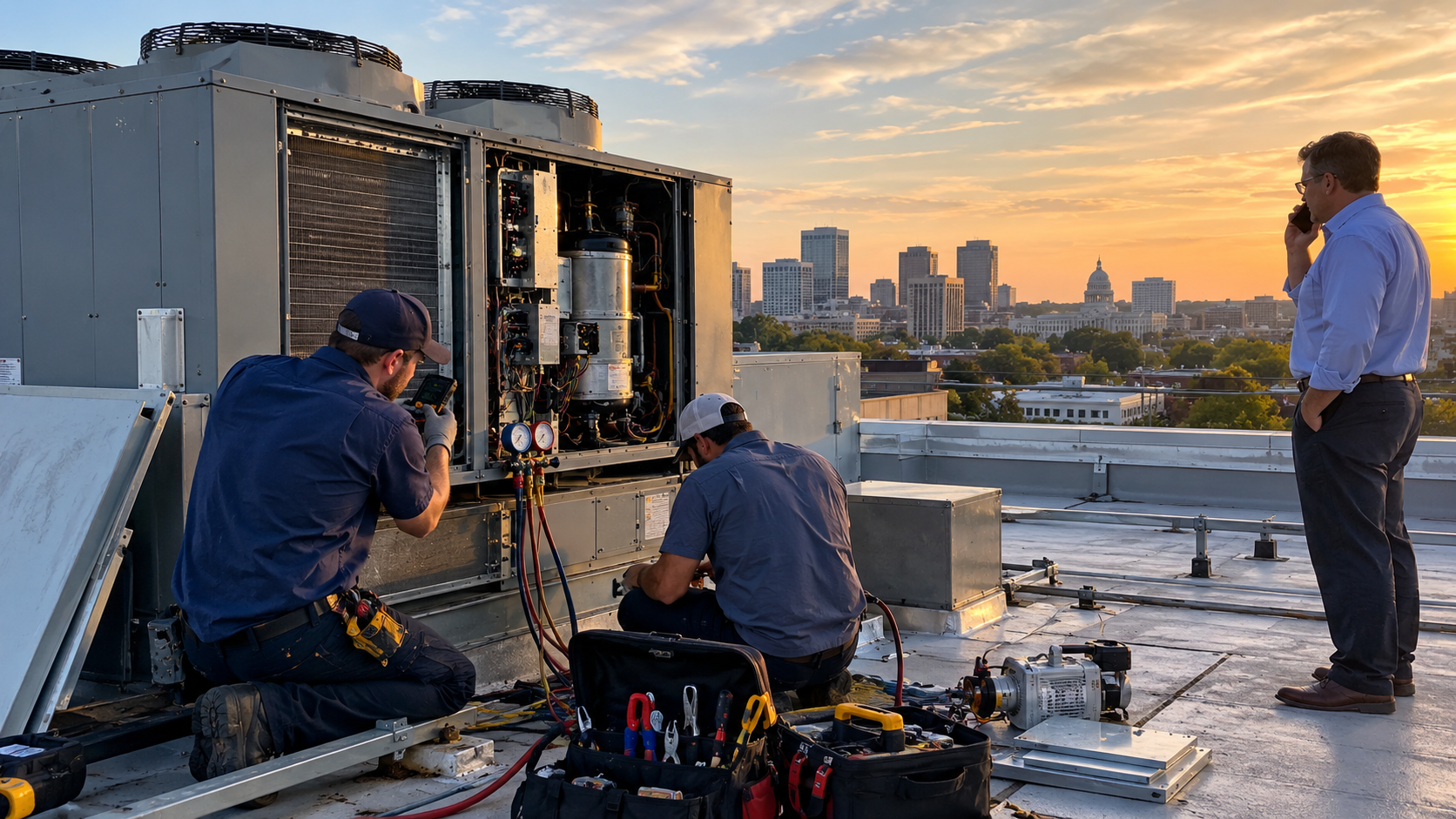
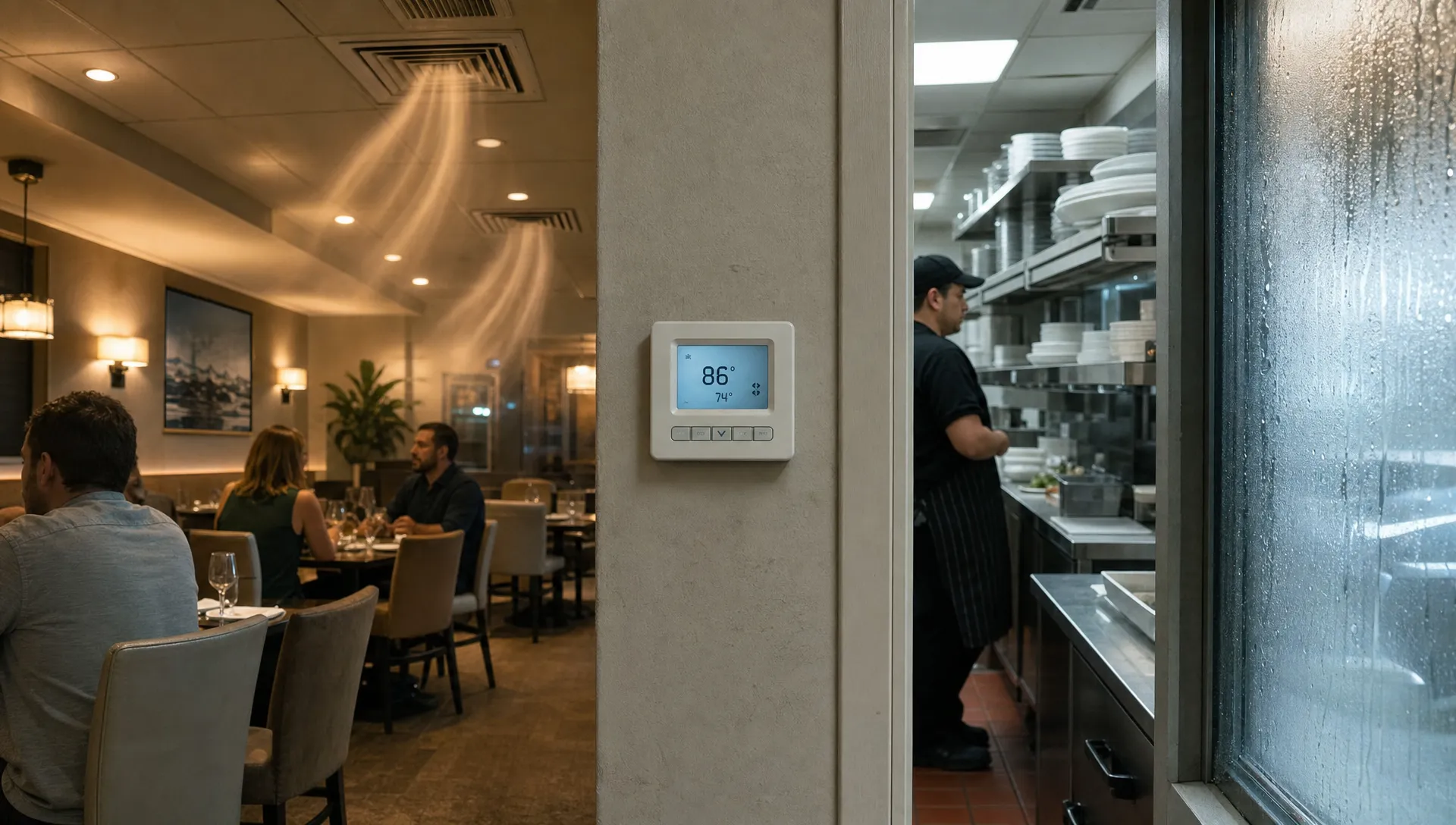
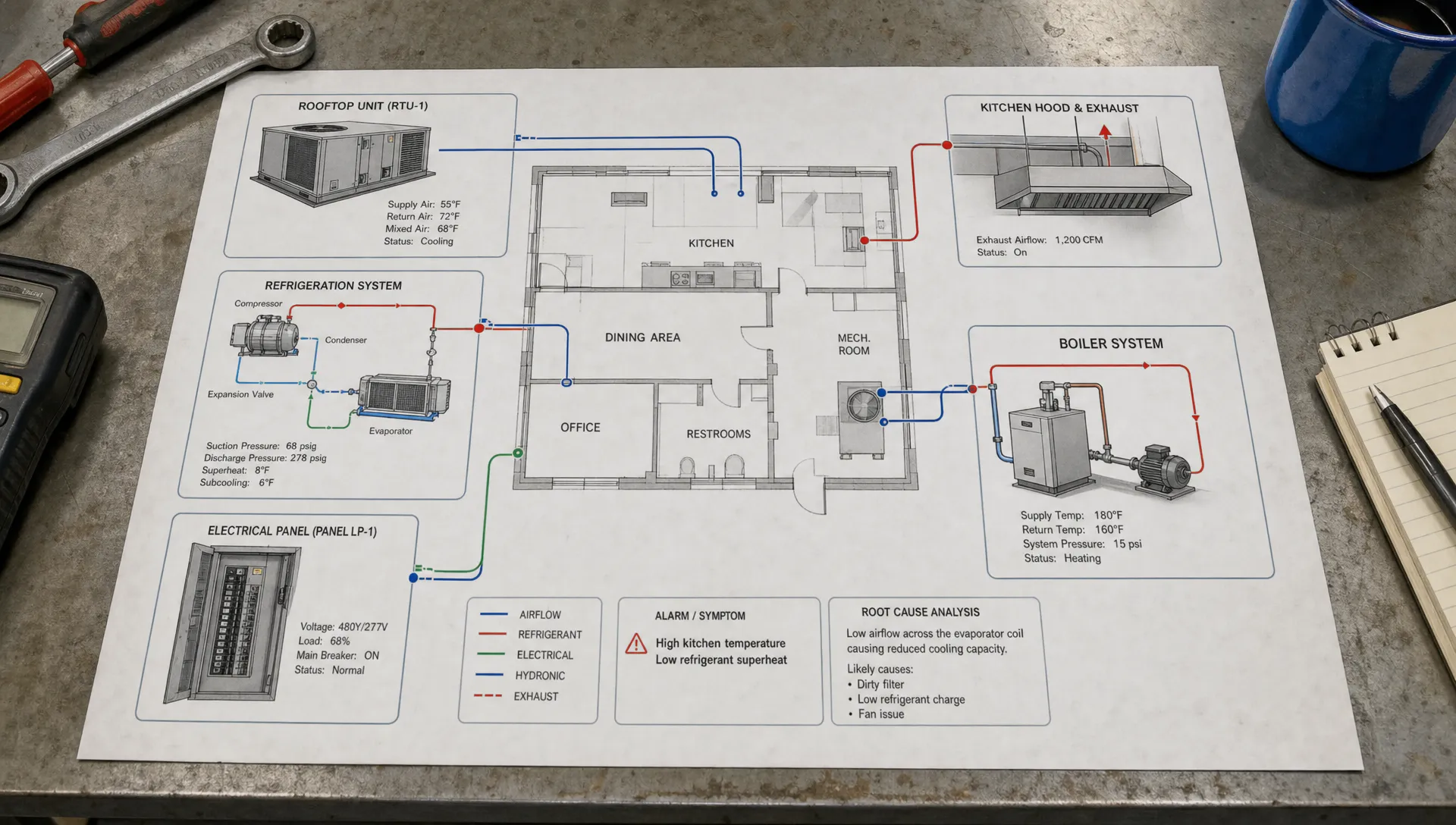
A rooftop unit quits at 2 p.m. on the hottest Friday of July. The dining room fills with warm air.
The walk-in compressor starts to strain. Within an hour, staff are sweating and customers are leaving.
Heat is not only a comfort problem. The Occupational Safety and Health Administration lists air conditioning and improved ventilation among the controls employers use against heat illness. When cooling fails indoors, the clock starts on worker safety, not just sales.
That is why "24/7" on a contractor's website deserves a closer look. Some companies staff a live line and dispatch trucks overnight. Others take a message and call back at breakfast.
This guide covers four Virginia companies that handle commercial HVAC emergencies. Each was reviewed on response model, coverage area, equipment, and the facilities it fits best. None of them cover the whole state, so location decides more than reputation.
Who Offers Real 24/7 Emergency HVAC Repair in Virginia?
VA Commercial Repair Solutions answers every call with a live manager or owner across central Virginia and the Shenandoah Valley. Commercial Express HVAC covers Northern Virginia, Maryland, and DC with a 24/7/365 emergency line.
Piedmont Service Group serves commercial and institutional clients from Richmond, Chesapeake, and Danville. Comfort Systems USA MidAtlantic works from South Boston, covering South Central Virginia.
| Company | Service Area | Best For | Key Differentiator | 24/7 Emergency Line |
|---|---|---|---|---|
| VA Commercial Repair Solutions | Central VA & Shenandoah Valley | Restaurants, breweries, food processors, small commercial | Live manager or owner answers, never voicemail | Yes, (540) 457-4822 |
| Commercial Express HVAC | Northern Virginia, MD & DC | Offices, healthcare, mission-critical sites | 75+ field technicians, 2,500+ business clients | Yes, 24/7/365 |
| Piedmont Service Group | Richmond, Chesapeake & Danville | Commercial, industrial, and government facilities | Commercial-only focus with real-time technician tracking | Yes, 24/7 call line |
| Comfort Systems USA MidAtlantic | South Central Virginia & North Carolina | Industrial, education, and institutional buildings | 73,100 sq. ft. of in-house fabrication space | Yes, 24/7 response services |
Geography narrows this list quickly. A Northern Virginia data room and a Staunton restaurant won't realistically share a contractor. Start with who covers your address, then compare how each one runs after-hours calls.
1. VA Commercial Repair Solutions: Central Virginia's Live-Answer Emergency Specialist
Quick note: VA Commercial Repair Solutions is our own company. We believe it belongs on this list, but you should read our ranking with that bias in mind.
Emergency service lives or dies in the first phone call. VA Commercial Repair Solutions built its model around that moment. A manager or owner answers every call, 24/7/365, with no voicemail.
The company is based in Fishersville and serves Charlottesville, Harrisonburg, Staunton, Waynesboro, Lexington, and the surrounding Shenandoah Valley. It works with commercial and industrial clients only. Homeowners are not part of the business.
How their emergency line works
Callers reach a person who can dispatch, not a call center that logs a ticket. The company says it prioritizes service calls from local businesses. Its commercial HVAC repair page lists the toll-free line at 1-866-729-2215.
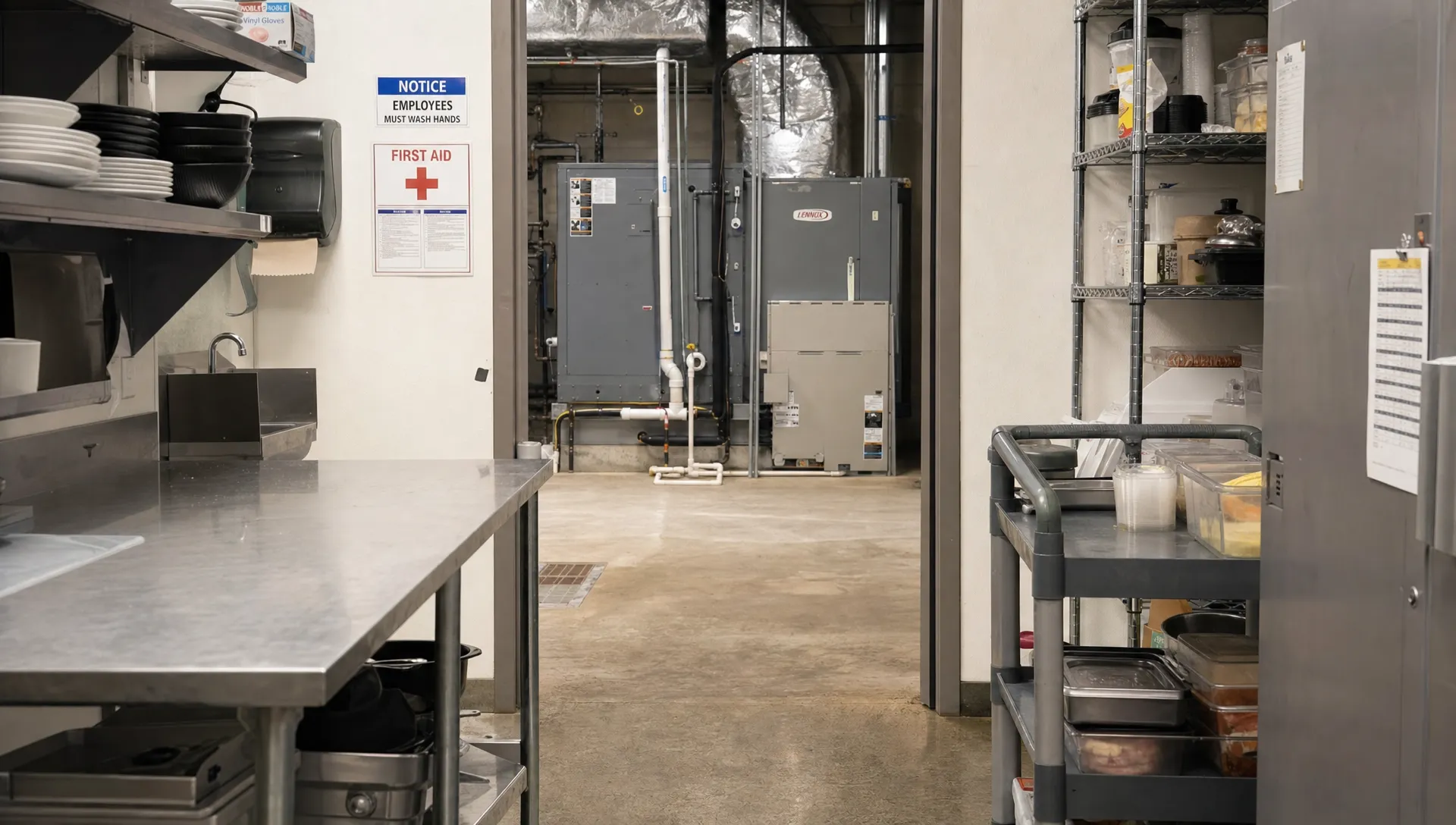
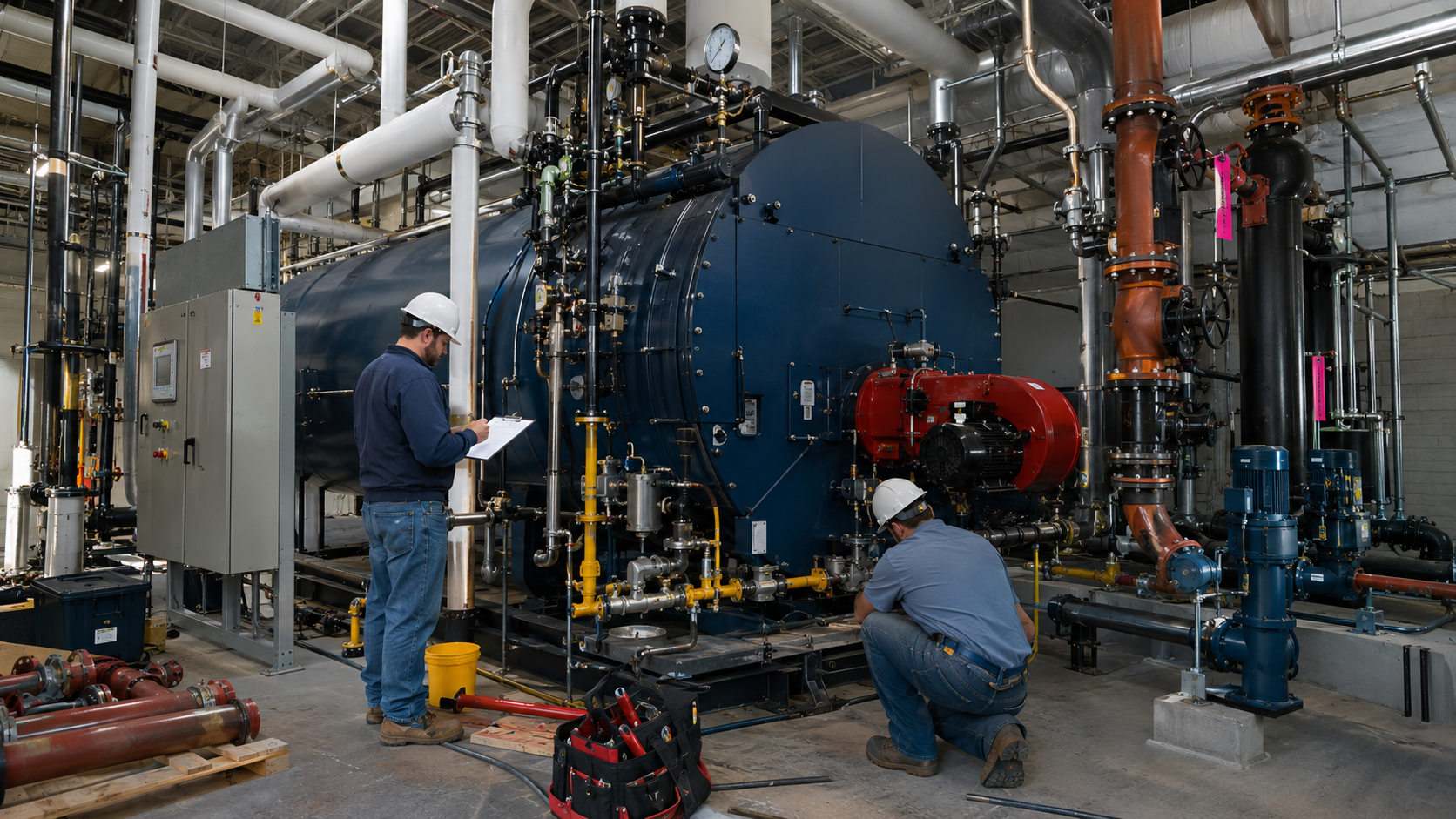
Equipment coverage runs well beyond standard air conditioning. Technicians handle rooftop units, split systems, mini-splits, PTACs, furnaces, and heat pumps. They also repair walk-in coolers, ice makers, boilers, and chillers.
That range matters in an emergency. A restaurant with a failed rooftop unit often has a refrigeration problem right behind it. One licensed contractor can diagnose both without a second call.
Where it shines (and where it doesn't)
Pros: A live answer at any hour. One Class A license spanning HVAC, refrigeration, and electrical work. A guarantee that pays $50 cash plus a $500 credit toward replacement if a problem can't be fixed.
Cons: Coverage centers on central Virginia. Hampton Roads and Northern Virginia sit outside the usual service radius.
Some failures, such as a failed compressor or a leaking aluminum coil, can't be repaired. The company says so up front.
What it costs
Installation quotes are free. The service call fee is waived whenever the repair is actually performed. Technicians are paid hourly rather than on commission, which removes any reason to push a replacement.
Facilities that want priority scheduling can add a maintenance plan. New HVAC, boiler, and refrigeration installations also carry one year of free labor.
Who's calling them
Restaurants, microbreweries, vineyards, poultry plants, dairies, and cold storage operators across the Valley. It also suits property managers who want a single phone number for HVAC, refrigeration, and electrical failures.
2. Commercial Express HVAC: Northern Virginia's 24/7/365 Commercial Specialist
Commercial Express HVAC has served the Northern Virginia, Maryland, and DC region since 2002. The company is based in Sterling and focuses on commercial service. Its website says more than 2,500 area businesses rely on it.
The company is part of the Service Logic network. That connection extends its reach for multi-state accounts. For a single Northern Virginia building, the local team is what matters.
How their emergency line works
The company advertises "fixed right the first time" emergency repair, 24 hours a day, every day of the year. Its emergency number is 703-378-4822. A 24/7 call line is paired with emergency procedures for after-hours dispatch.
Over 75 service and installation technicians back the line. Real-time tracking of technicians and materials is part of the pitch. A deep bench helps when several buildings fail in the same heat wave.
Where it shines (and where it doesn't)
Pros: A large technician roster for a commercial-only shop. A long list of industry verticals, including healthcare, education, government, and mission-critical sites. Planned maintenance, retrofits, and equipment replacement under one roof.
Cons: The service area stops well short of the Shenandoah Valley and Southside. The pages reviewed do not itemize boilers or chillers, so confirm equipment coverage before relying on the line.
What it costs
Pricing is not published online. Emergency and maintenance work are quoted per site. Planned maintenance programs bundle preventive service, budget analysis, and energy-focused retrofits.
Who's calling them
Office buildings, medical facilities, and technical sites in Northern Virginia, Maryland, and DC. Property managers with several locations in that corridor will find the multi-site experience useful.
3. Piedmont Service Group: Commercial-Only Emergency Coverage for Richmond, Hampton Roads, and Danville
Piedmont Service Group has operated since 1971. It serves commercial, industrial, institutional, and government clients. Residential work is not part of the business.
Virginia offices sit in Richmond, Chesapeake, and Danville. The company also works across North Carolina and South Carolina. Through its Service Logic partnership, it can support accounts beyond those states.
How their emergency line works
The emergency program promises a 24/7 call line and after-hours response. Real-time tracking of technicians and materials is part of the model. Pre-assigned technicians get immediate access to a database of technical and operational information.
Piedmont lists a central emergency number, (919) 851-5800, plus local Virginia lines. Richmond is (804) 358-6794, Chesapeake is (757) 430-4483, and Danville is (800) 829-0003. Save the right local number before you need it.
Where it shines (and where it doesn't)
Pros: A commercial-only focus that avoids residential distractions. Temporary chillers and boilers for extended outages. Building controls and energy optimization services alongside repair.
Cons: The central emergency number carries a North Carolina area code. The website says little about specific equipment brands or Virginia-only response targets.
What it costs
Piedmont does not publish rates. Work is scoped per facility, and planned maintenance is quoted separately from emergency repair.
Who's calling them
Manufacturers, institutional campuses, and government buildings in the Richmond, Hampton Roads, and Danville markets. The company lists an aerospace manufacturer among its retrofit references.
4. Comfort Systems USA MidAtlantic: South Central Virginia's Fabrication-Backed Mechanical Contractor
Comfort Systems USA MidAtlantic was founded in 1970 and is headquartered in South Boston. It serves South Central Virginia and north central North Carolina. The company handles HVAC, mechanical, and plumbing work.
Its 73,100 square feet of fabrication space is unusual for a regional contractor. In practice, that means ductwork and piping can be built in-house rather than ordered from a distributor.
How their emergency line works
The company lists 24/7 proactive response services among its capabilities. Its building services page describes maintenance, on-demand, and retrofit offerings. The main number is 800-777-6986.
Public detail on the after-hours process is limited. Ask how calls are routed overnight and who dispatches. Get the answer in writing before signing a service agreement.
Where it shines (and where it doesn't)
Pros: In-house fabrication that shortens custom repairs. Building automation with life safety integration. Experience with industrial plants, schools, hospitals, and data centers.
Cons: Its public materials lean toward construction projects, not emergency repair. A rural service territory can mean longer drives between sites, so confirm response windows.
What it costs
No pricing appears on the pages reviewed. Customized maintenance programs are quoted by building and equipment. Ask for response-time terms as part of any agreement.
Who's calling them
Government buildings, school systems, and manufacturing plants in South Central Virginia. Facilities that already work with the firm on construction projects often add service under the same relationship.
The First 15 Minutes: What to Do When Cooling Fails
The first quarter hour sets the tone for the whole outage. A few calm steps protect people and inventory before the technician even arrives. Keep this short list near the front desk or manager's office.
Start with safety. If you smell burning, see smoke, or hear grinding, shut the unit off at the disconnect and keep staff away. Never reset a tripped breaker repeatedly, because a repeating trip points to a real fault.
Next, rule out the simple causes. Check the thermostat settings and confirm the unit has power. A dirty filter or a tripped condensate switch can mimic a major failure, and a quick look takes two minutes.
Then protect what the failure puts at risk. Move perishable food into working refrigeration, and open doors only when necessary. Shift staff away from the hottest areas and give them water and breaks.
Finally, make the call and document everything. Note the time, the symptoms, and any error codes on the display. Those details speed up diagnosis and support any insurance claim later.
Why Virginia's Weather Makes Timing Matter
Virginia swings from humid summers to freezing winters. Both extremes stress mechanical equipment. A system that limped through spring often fails at the first sustained heat wave.
Winter brings its own emergencies. Furnaces and boilers fail on the coldest nights, when demand is highest. Frozen pipes and unheated spaces can follow within hours.
Regional weather also strains contractors. When a heat wave hits, every company's phones ring at once. A shop with a live dispatcher and a deep bench of technicians handles that surge better than one without.
That is why relationships matter before the emergency. A company that already knows your building, equipment, and access routes moves faster. A new caller starts from zero while the temperature climbs.
Ask about onboarding. Some contractors will walk a building, photograph nameplates, and log equipment before any failure. That visit removes guesswork later.
It also shows how the team communicates when nothing is on fire.
How to Judge a "24/7" Claim Before You Need It
Test the line before your equipment fails. Call it at night and see who answers. Ask who dispatches, how far the nearest truck is, and what happens if the first technician can't finish.
Ask about cost, too. Our guide to commercial HVAC service call costs explains what drives the final invoice, from equipment type to failure complexity. A quoted rate that excludes travel or overtime isn't the real rate.
The stakes extend beyond comfort. The NIOSH says employers should use engineering controls to reduce workplace heat stress. For many buildings, that control is a working air conditioner.
Finally, check licensing. Virginia contractors should hold a license appropriate to the job size. Ask for the license number and confirm it with the state before work starts.
Common Questions About Emergency Commercial HVAC Repair in Virginia
What counts as a commercial HVAC emergency?
A total cooling or heating loss in an occupied building qualifies. So does a failure that threatens food, equipment, or worker safety. Refrigerant leaks, burning smells, and tripped compressors also deserve an immediate call.
What's the difference between a live answer and an answering service?
A live answer connects you to someone who can dispatch. An answering service takes a message and relays it. During a heat wave, that delay can mean hours.
Should I sign a maintenance agreement for faster service?
If your building has any history of failures, probably yes. Agreements often add priority scheduling. VA Commercial Repair Solutions' preventive maintenance plan includes two annual visits, priority scheduling, and a repair discount.
How quickly should a technician arrive?
Response time depends on distance, weather, and call volume. A regional heat wave stretches every contractor thin. Ask each company for its typical window instead of accepting a vague promise.
Do emergency calls cost more than regular service?
Usually, yes. Our cost guide notes that emergency calls cost significantly more than standard business-hours visits. Ask whether the service call fee is waived when a repair is completed, and request the after-hours rate in writing.
Can one contractor handle HVAC and refrigeration emergencies together?
Some can. That matters for restaurants, grocers, and food processors where one failure triggers another. Confirm the contractor holds the right licenses for both trades.
Should I replace or repair a failing rooftop unit?
Age, repair history, and refrigerant type all matter. A unit with repeated failures may cost more to keep than to replace. Ask for the evidence behind any replacement recommendation.
Do I need to be on-site for an emergency visit?
Plan for someone to provide access. Rooftop units, mechanical rooms, and locked storage all need a key holder. Tell the dispatcher about gate codes, alarms, and rooftop ladder locations when you call.
What if the outage involves electrical problems too?
A tripped breaker, a dead disconnect, or a failed contactor can look like an HVAC fault. Ask whether the company can diagnose both sides. A contractor licensed in HVAC and electrical work saves a second dispatch.
How do I compare two companies that both claim 24/7 service?
Ask each one the same five questions, then compare the answers side by side.
- Who answers the phone at night, and can that person dispatch?
- What is the typical response window for your address?
- What is the after-hours labor rate?
- Is the service call fee waived when a repair is completed?
- Does the company cover every system in your building?
What information should I have ready when I call?
Know the equipment type, location, and approximate age. Describe any noises, smells, or error codes. Photograph the nameplate if you can reach it safely.
Conclusion: Choose the Response Model, Not Just the Name
Every company on this list answers emergency calls, but the experience differs. Some put a live decision-maker on the line. Others lean on large teams and structured dispatch.
VA Commercial Repair Solutions fits central Virginia facilities that need HVAC, refrigeration, and electrical help from one number. Commercial Express HVAC serves Northern Virginia, while Piedmont Service Group covers Richmond, Hampton Roads, and Danville. Comfort Systems USA MidAtlantic fits South Central Virginia's industrial and institutional buildings.
Match the company to your address, then test its line before summer arrives. Preparation turns a crisis into a phone call.
Need emergency commercial HVAC help in central Virginia or the Shenandoah Valley? VA Commercial Repair Solutions answers live, 24/7/365, at (540) 457-4822. A manager or owner picks up, never voicemail.
Opening a Restaurant in Virginia: Kitchen Design, Hood, Fire Suppression and Refrigeration Checklist