What Are the Signs Your Commercial AC System Needs Maintenance in Staunton, VA?

Routine maintenance of commercial air conditioning systems is essential to preserve operational performance and energy efficiency. In Staunton, VA, facility managers and business owners must monitor specific indicators that signal the need for service. This article identifies key maintenance indicators, explains common causes, and outlines the advantages of scheduled servicing so you can prevent costly failures and maintain a comfortable environment for occupants.
Signs that a commercial AC system needs maintenance in Staunton, VA include:
Early identification of maintenance indicators prevents escalation. The most common signs are:
- Unusual Noises: If your AC unit is making strange sounds, such as grinding or squealing, it may indicate mechanical issues that require immediate attention.
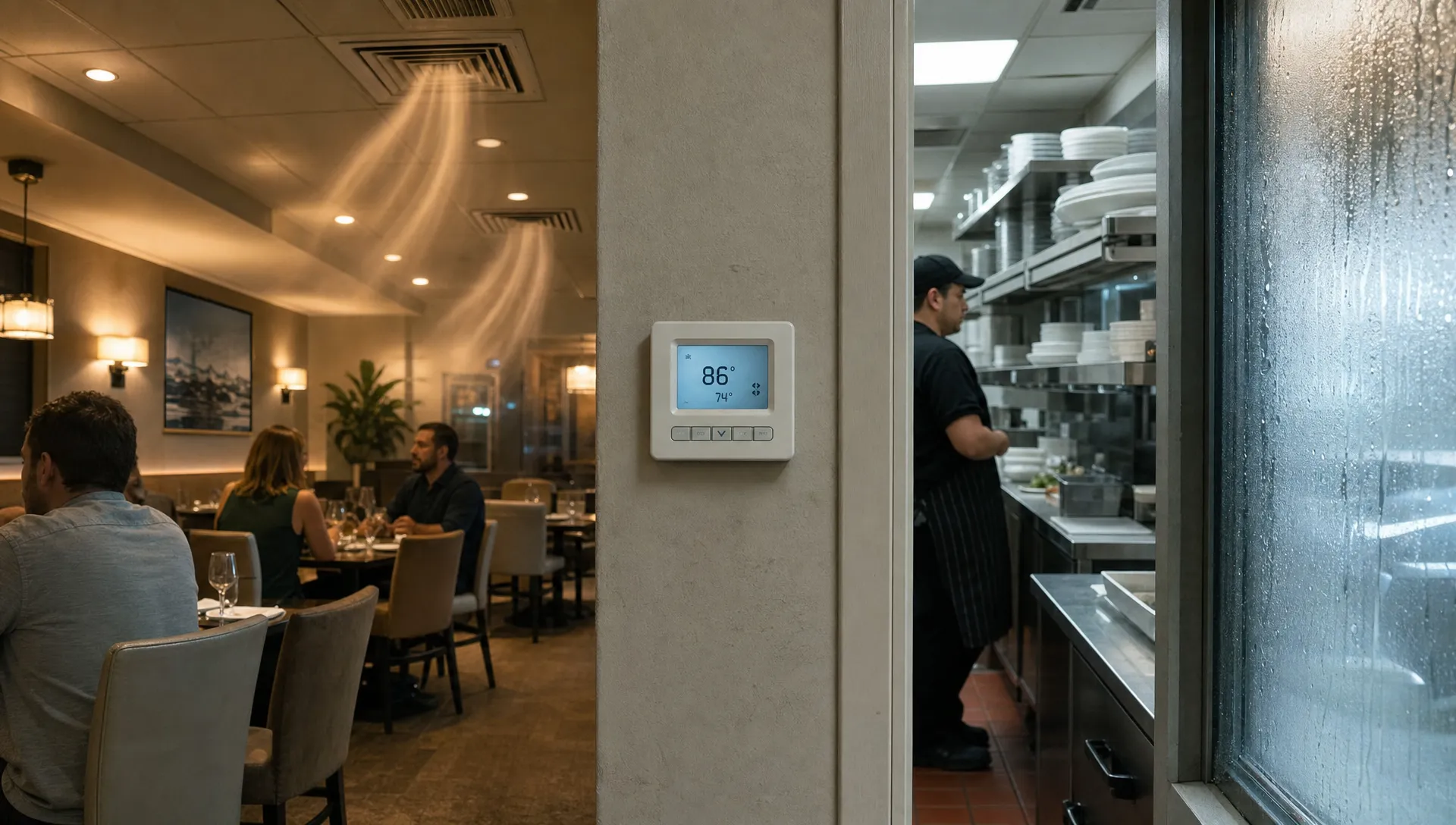
- Inconsistent Temperatures: Fluctuations in temperature throughout your facility can signal problems with the AC system's airflow or cooling capabilities.
- Increased Energy Bills: A sudden spike in energy costs may suggest that your AC system is working harder than necessary, often due to inefficiencies or malfunctions.
VA Commercial Repair Solutions specializes in commercial HVAC, refrigeration, and electrical repair, maintenance, and installation services in Virginia, with a focus on Staunton. Regular maintenance mitigates these issues and helps ensure that systems operate at designed efficiency levels.
What Are the Most Common Symptoms Indicating Commercial AC Maintenance Needs?
Prompt recognition of these symptoms enables timely intervention. Typical presentations include:
- Weak Airflow: Insufficient airflow can lead to uneven cooling and increased energy consumption.
- Frequent Cycling: If your AC unit frequently turns on and off, it may indicate an underlying issue that needs to be addressed.
- Water Leaks: Any signs of water pooling around your AC unit can indicate a refrigerant leak or drainage issue.
How Does Weak Airflow Signal AC System Issues?
Reduced airflow commonly indicates clogged filters, duct obstructions, or fan malfunctions. When airflow is restricted, the system requires longer run times to achieve setpoints, which increases energy consumption and accelerates component wear. Regular inspection and timely filter replacement help maintain design airflow and reduce operational stress.
What Cooling Problems Should Facility Managers Watch For?
Facility managers should monitor operational anomalies that compromise climate control and business continuity, including:
- Inconsistent Temperatures: Areas of the building may feel warmer or cooler than others, indicating issues with the AC system's distribution.
- Unit Shutdowns: If the AC unit shuts down unexpectedly, it may be a sign of overheating or electrical issues.
- Warm Air Output: If the system is blowing warm air instead of cool, it could indicate refrigerant leaks or compressor failures.
What Are the Underlying Causes of AC System Airflow and Cooling Problems?
Understanding root causes is essential for effective maintenance. Common contributors include:
- Refrigerant Leaks: Low refrigerant levels can lead to inadequate cooling and increased energy costs.
- Electrical Failures: Faulty wiring or components can disrupt the system's operation, leading to performance issues.
- Blocked Airflow: Dust and debris can accumulate in filters and ducts, restricting airflow and reducing efficiency.
Research indicates that physical faults within commercial HVAC installations can materially increase electrical energy consumption.
Commercial HVAC Faults & Energy Impact
Examines physical faults in the HVAC system of a large commercial building and estimates the electric energy impact by aggregating individual fault contributions using a simulation-based approach.
A simulation based approach to impact assessment of physical faults: large commercial building hvac case study, Y Chen, 2018
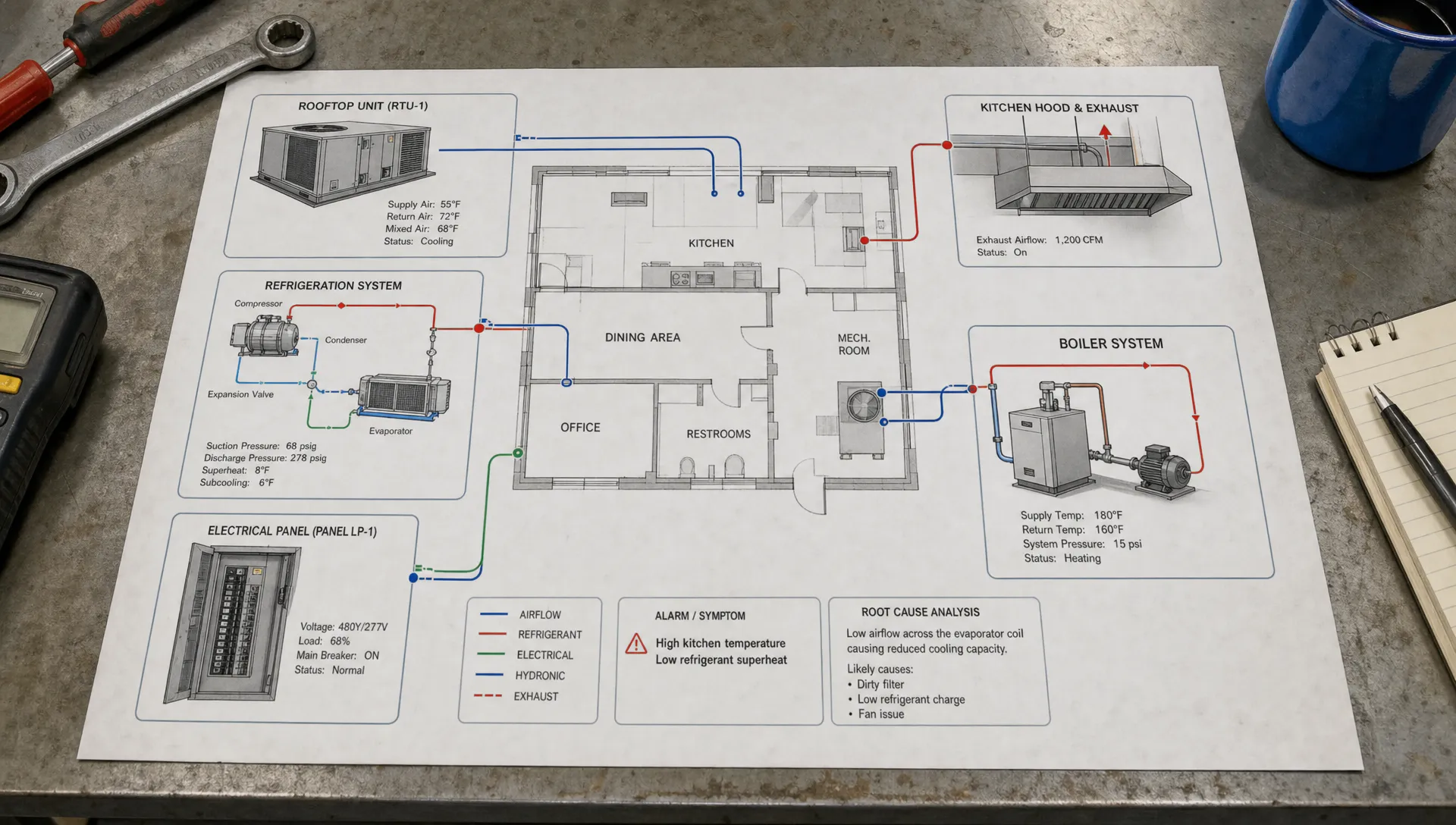
Clogged filters and refrigerant leaks notably reduce AC effectiveness. Obstructed filters limit airflow, forcing longer run times, raising energy consumption, and increasing the risk of component overheating. Refrigerant leakage diminishes cooling capacity, producing inadequate temperature control and higher utility expenses. Consistent maintenance, including filter replacement and refrigerant integrity checks, is necessary to sustain system performance.
The relationship between refrigerant leakage and overall system energy efficiency is well documented in industry research.
Commercial AC Refrigerant Leakage & Energy Efficiency
Addresses how refrigerant leakage in domestic and commercial refrigeration and air conditioning systems affects leakage rates and system energy efficiency.
Refrigerant emissions and leakage prevention across Europe–Results from the RealSkillsEurope project, IP Koronaki, 2012
What Role Do Electrical Issues Play in Commercial HVAC Maintenance?
Electrical faults can significantly impair commercial HVAC performance. Common failures include faulty capacitors that impede motor starts, worn contactors that interrupt power delivery, and thermostat malfunctions that affect control logic. These conditions can cause intermittent operation, reduced efficiency, or complete system downtime; scheduled electrical inspections reduce such risks.
How Can Preventive Maintenance Indicators Help Avoid Costly Commercial AC Repairs?
Preventive maintenance indicators enable early intervention and reduce repair costs. Observing symptoms such as unusual noises, temperature inconsistencies, and rising energy consumption should prompt diagnostic evaluation. A structured maintenance program helps detect faults before they escalate, preserves equipment longevity, and lowers total cost of ownership.
Developing systematic approaches for detecting and addressing HVAC faults is essential to maintain optimal performance in commercial buildings.
Commercial HVAC Fault Detection & Diagnosis
Presents a systematic and adaptable framework for processing real-world operational data in light commercial building HVAC systems to support fault detection and diagnosis.
Fault detection and diagnosis in light commercial buildings' HVAC systems: A comprehensive framework, application, and performance evaluation, MB Soultanzadeh, 2024
What Are the Recommended Maintenance Schedules for Commercial HVAC Systems in Staunton?
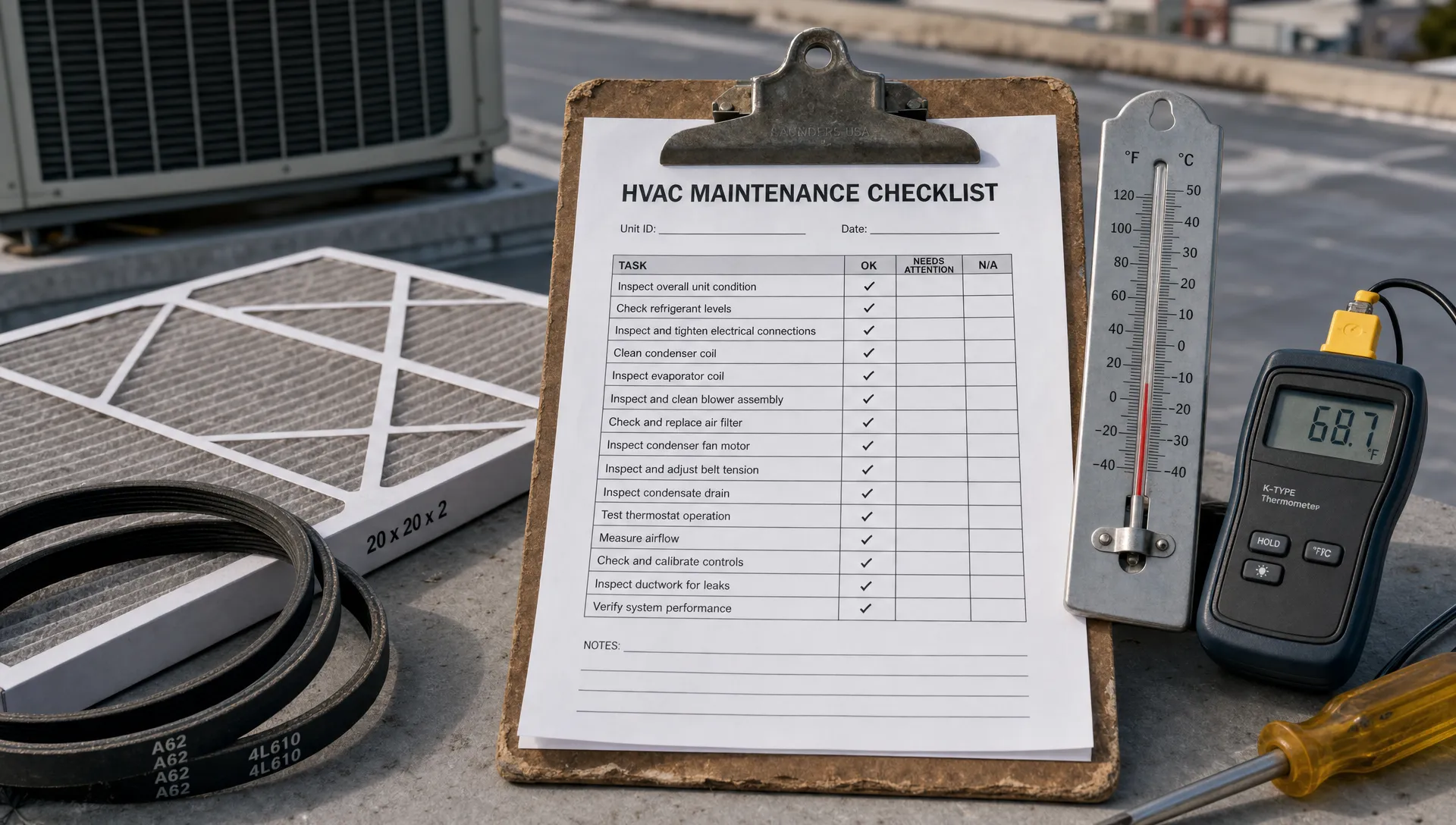
Establishing a maintenance schedule is vital to sustain equipment reliability. Recommended practices include:
- Quarterly Inspections: Regular inspections can help identify potential issues before they become significant problems.
- Seasonal Maintenance: Preparing your system for seasonal changes can enhance efficiency and performance.
- Routine Filter Changes: Changing filters every 1-3 months can prevent airflow issues and improve indoor air quality.
Consistent maintenance improves cooling efficiency and extends service life. Ensuring components function correctly and that airflow remains unobstructed reduces energy consumption and mechanical stress. This proactive approach decreases the likelihood of unexpected failures and supports predictable operating costs.
When Should Commercial Business Owners Seek Emergency AC Repair Services?
Business owners should request emergency repair services when they observe critical failures that threaten operations, such as:
- Unusual Noises: Grinding or banging sounds can indicate mechanical failure.
- Inconsistent Temperatures: Significant temperature fluctuations may signal a malfunctioning system.
- Increased Energy Bills: A sudden rise in energy costs can indicate inefficiencies that require immediate attention.
What Warning Signs Indicate Immediate AC System Failure Risks?
Warning signs of imminent system failure include:
- Unusual Noises: Sounds like hissing or clanging can signal serious mechanical issues.
- Frequent Cycling: If the system turns on and off rapidly, it may be overheating or experiencing electrical problems.
- Water Leaks: Any pooling water around the unit can indicate refrigerant leaks or drainage issues.
Rapid response repair services minimize operational downtime for Virginia businesses. Prompt repairs restore comfort and productivity, reduce the duration of service interruptions, and help maintain a safe environment for employees and customers.
How Does Commercial Refrigeration and Electrical System Maintenance Complement AC System Care?
Maintenance of commercial refrigeration and electrical systems is integral to overall HVAC reliability. These systems interact operationally; a fault in refrigeration or electrical subsystems can compromise HVAC performance. Coordinated maintenance ensures component interoperability, enhances energy efficiency, and reduces the frequency of unscheduled outages.
What Are the Signs of Commercial Refrigeration Malfunctions Affecting HVAC Performance?
Indicators of refrigeration faults that may affect HVAC performance include:
- Inconsistent Cooling: Fluctuations in temperature can indicate issues with the refrigeration system.
- Unusual Noises: Sounds from the refrigeration unit can signal mechanical problems.
- Increased Energy Consumption: A rise in energy bills may suggest inefficiencies in the refrigeration system.
Why Is Electrical Repair Critical for Reliable Commercial HVAC Operation?
Electrical repair and preventive electrical maintenance are critical to maintain reliable HVAC operation. Faulty electrical components can cause system failures, elevated energy use, and safety hazards. Regular inspections and timely remediation of electrical defects ensure that HVAC equipment operates within design parameters and safety standards.
To ensure your commercial AC system operates efficiently and safely, consider contacting
VA Commercial HVAC for reliable
HVAC services.
For immediate assistance or to schedule a consultation, you can
contact us directly.
If you are a property manager or work with multiple locations, consider setting up a
maintenance account to streamline service and support.
If your facility is experiencing AC issues, engage our
air conditioning repair services for prompt restoration.
Frequently Asked Questions
What are the benefits of regular maintenance for commercial AC systems?
Regular maintenance improves energy efficiency, extends equipment service life, and enhances indoor air quality. Routine inspections allow technicians to detect faults early, address corrective actions before they escalate, and help ensure regulatory compliance. Well-maintained systems operate more efficiently, reducing utility expenditures and supporting a safer environment for employees and customers.
How can I tell if my AC system is underperforming?
Underperformance manifests as inconsistent cooling, elevated energy consumption, and atypical noises. Warm zones, frequent short-cycling, or a notable rise in energy costs without a corresponding change in usage indicate the need for professional diagnostic evaluation.
What should I do if I notice water pooling around my AC unit?
Water pooling is a serious symptom that may indicate a refrigerant leak or a drainage failure; it requires immediate attention to prevent water damage and mold growth. Power down the system and contact a qualified HVAC technician to inspect the unit, determine the cause, and perform necessary repairs.
Are there specific maintenance tasks I can perform myself?
Certain preventive tasks are suitable for on-site personnel: inspect and replace air filters every 1–3 months and remove debris around outdoor units to maintain airflow. For diagnostics, refrigerant handling, and electrical repairs, engage certified technicians to ensure safe and compliant work.
How often should I schedule professional inspections for my AC system?
Schedule professional inspections at least twice per year—prior to the cooling season and prior to the heating season. Biannual inspections allow technicians to verify system readiness, identify emerging faults, and implement corrective maintenance to avoid unplanned outages.
What are the potential consequences of neglecting AC maintenance?
Neglecting maintenance leads to reduced energy efficiency, higher utility costs, shortened equipment life, and an increased likelihood of major failures with prolonged downtime. Poorly maintained systems can also degrade indoor air quality, creating health and safety risks. Regular maintenance mitigates these outcomes and preserves operational resilience.
Conclusion
Early recognition of maintenance indicators is critical to preserve AC performance and energy efficiency. Addressing symptoms such as unusual noises, temperature inconsistencies, and rising energy consumption in a timely manner prevents costly repairs and sustains occupant comfort. Routine servicing extends equipment life and reduces operating expenses. For tailored commercial HVAC services, consider contacting VA Commercial HVAC.