
Best Practices for Maintaining Commercial Refrigeration Equipment in 2026

VA Commercial HVAC

Whether you operate a busy restaurant in Charlottesville, a grocery store in Harrisonburg, or a commercial kitchen anywhere across Central Virginia, your refrigeration equipment is the backbone of your operation. A single unexpected breakdown can mean thousands of dollars in lost inventory, failed health inspections, and frustrated customers. The good news: many commercial refrigeration failures are preventable.
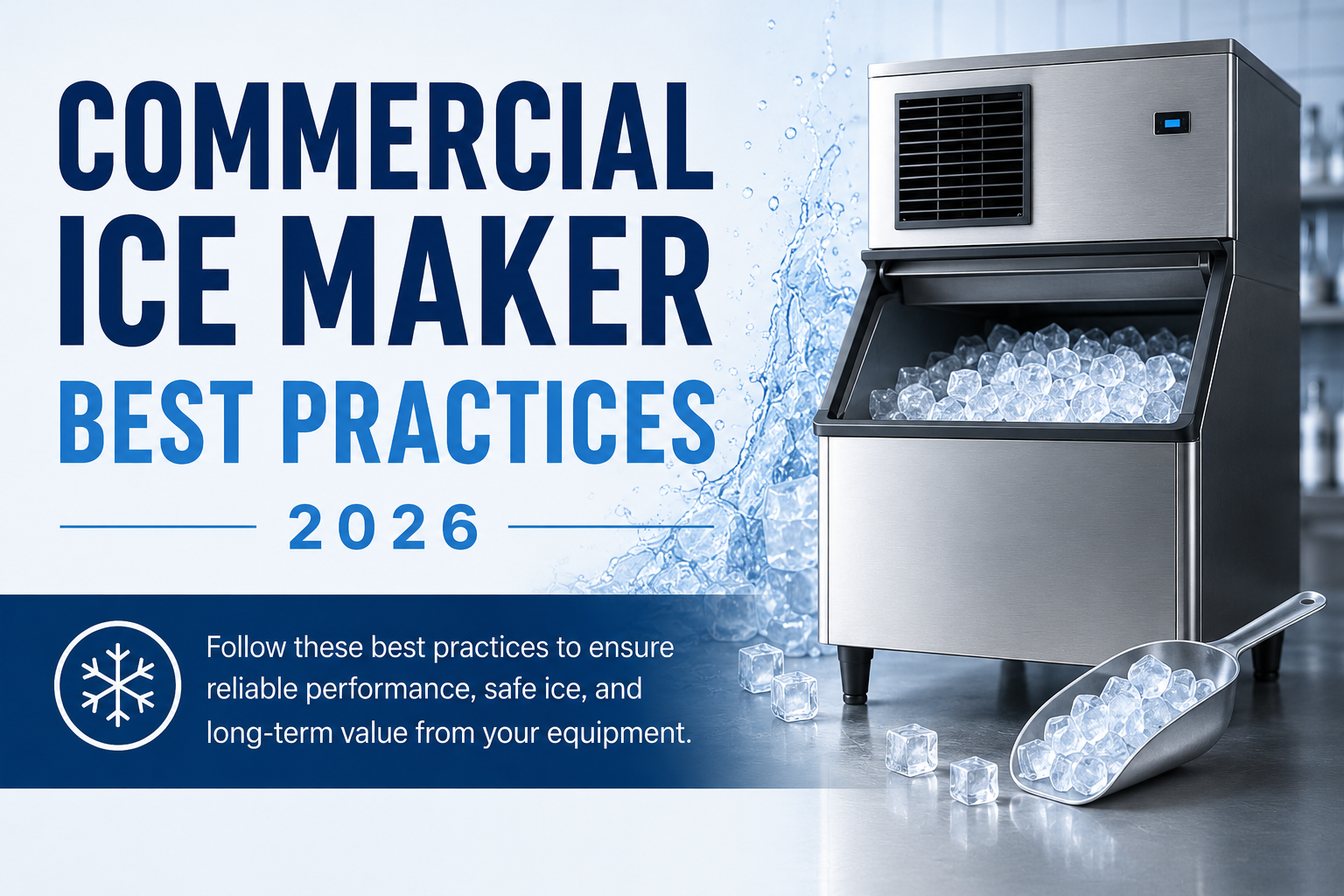
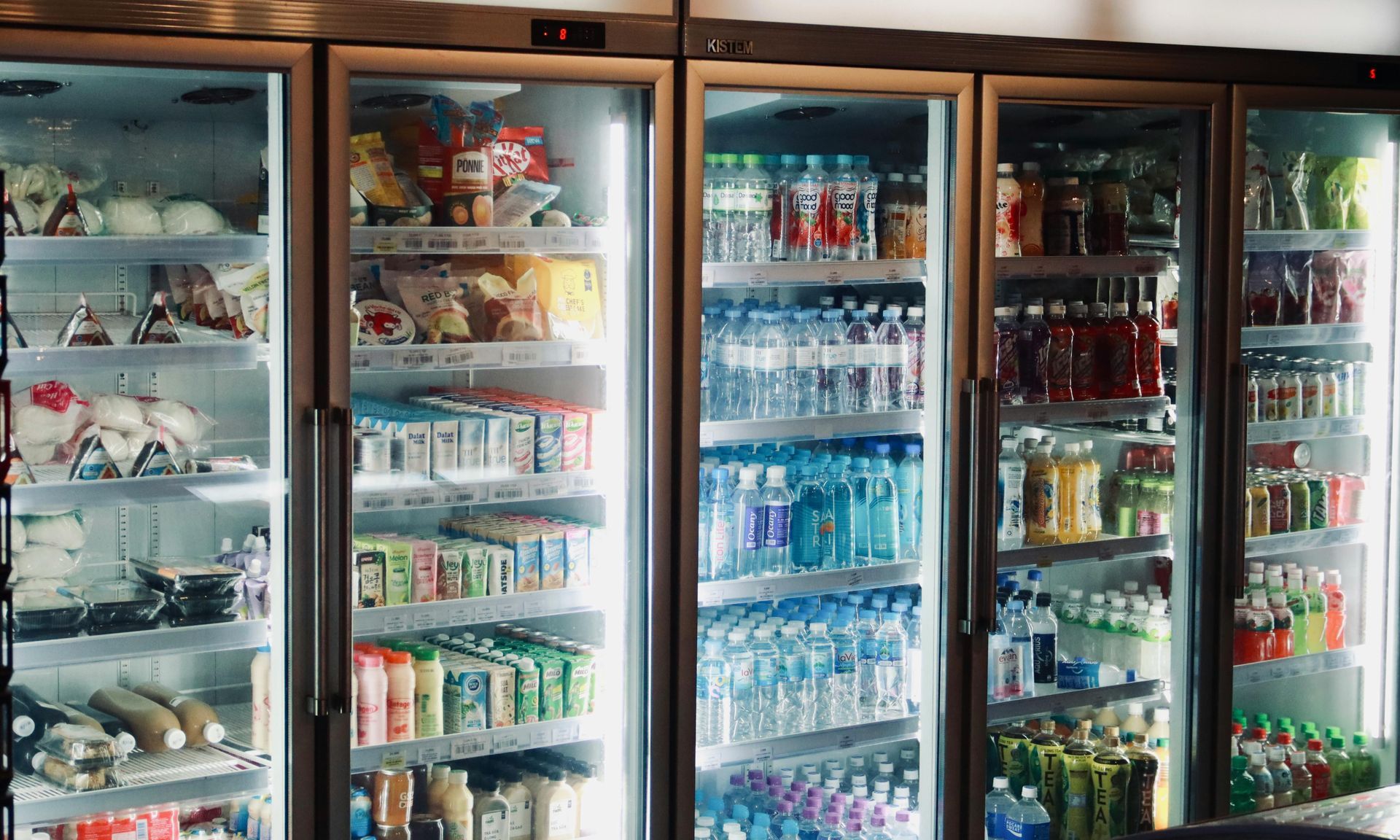
The best practices for maintaining commercial refrigeration equipment have evolved significantly in recent years, driven by tighter EPA refrigerant regulations, smarter monitoring technology, and a growing emphasis on energy efficiency. This comprehensive guide brings together current industry standards, technician expertise, and the 2026 regulatory landscape to give business owners, facility managers, and kitchen operators a definitive maintenance roadmap.
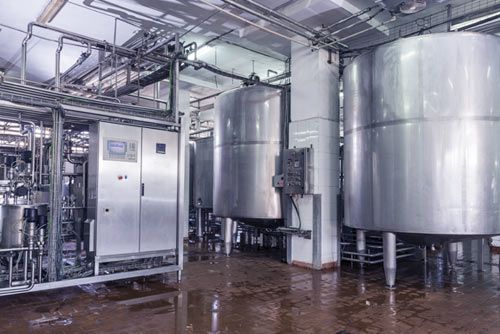
Why Preventive Maintenance Is the #1 Best Practice for Commercial Refrigeration

No maintenance strategy matters more than simply having one. Reactive maintenance — waiting for equipment to break before calling a technician — costs two to three times more than proactive preventive maintenance, according to industry data. Commercial refrigerators and freezers, walk-in coolers, display cases, and ice makers are engineered to run continuously under heavy workloads. That demands regular, scheduled attention.


The core benefits of a disciplined preventive maintenance program for commercial refrigeration include:

  • Extended equipment lifespan — Properly maintained units routinely last 15–20 years; neglected ones often fail before 10.
  • Lower energy bills — A refrigeration system running with dirty coils or low refrigerant can consume 20–30% more electricity than a well-maintained unit.
  • Food safety compliance — Health departments and FDA food code requirements mandate that refrigerated storage hold food at 41°F or below. Equipment failures put your license at risk.
  • Reduced emergency repair costs — A compressor replacement costs $1,500–$4,000 or more. A routine maintenance visit costs a fraction of that.
  • Warranty protection — Most manufacturers require documented preventive maintenance to honor equipment warranties.


At VA Commercial Repair Solutions, we recommend scheduling professional commercial refrigeration maintenance at least twice per year — once before summer heat peaks and once entering the fall season. High-volume operations such as restaurants, cafeterias, and grocery stores should consider quarterly visits.

Condenser Coil Cleaning: The Most Critical Maintenance Task for Commercial Refrigerators

If there is one maintenance task that delivers more return on investment than any other, it is cleaning the condenser coils. Condenser coils reject heat from the refrigerant to the surrounding air. When they become clogged with grease, dust, and debris — as they inevitably do in commercial kitchen environments — the compressor must work harder, temperatures rise, and the system runs inefficiently or fails entirely.


How Often Should Condenser Coils Be Cleaned?

  • Restaurant walk-in coolers and reach-ins: Every 30–90 days, depending on kitchen grease levels.
  • Grocery store display cases: Every 60–90 days.
  • Low-traffic office or break room refrigeration: Every 6 months.
  • Ice makers: Every 6 months, minimum — more often in dusty or greasy environments.


Condenser Coil Cleaning Best Practices

  1. Power down the unit before cleaning.
  2. Use a soft-bristle brush or commercial coil cleaning brush to remove loose debris.
  3. Apply an approved no-rinse coil cleaner for grease-laden environments.
  4. Flush with low-pressure water if the unit design allows, or vacuum dry debris from air-cooled units.
  5. Inspect fan blades and motors for damage while the panel is open.
  6. Document the cleaning date and condition for your maintenance log.


Important: In commercial kitchen settings, condenser coils frequently accumulate grease — not just dust. This grease acts as an insulating layer and dramatically reduces heat transfer efficiency. A trained refrigeration technician will use appropriate degreasing agents and inspect for any damage caused by grease accumulation.

Evaporator Coil Inspection and Defrost System Maintenance

While condenser coils handle heat rejection, evaporator coils absorb heat from inside the refrigerated space. Ice buildup on evaporator coils is one of the most common — and most misunderstood — commercial refrigeration problems. Some frost is normal; heavy ice accumulation is a symptom of a problem.


Common Causes of Evaporator Coil Ice Buildup

  • Faulty defrost timer, heater, or thermostat
  • Defrost drain line clog (standing water freezes and backs up)
  • Door gasket failure allowing warm, humid air to enter
  • Low refrigerant charge causing coils to run below design temperature
  • Fan motor failure reducing airflow across the coil


Defrost System Maintenance Best Practices

  • Test the automatic defrost cycle at every maintenance visit — verify it initiates and terminates correctly.
  • Inspect and clear the defrost drain line; flush with warm water and check the drain pan for mold or algae growth.
  • Inspect the defrost heater element for continuity and signs of burning or corrosion.
  • Check defrost termination thermostats for calibration drift.
  • Verify fan delay operation — fans should not restart until the coil temperature rises above freezing after a defrost cycle.


Neglected defrost systems are among the leading causes of walk-in freezer and refrigerator breakdowns. When drain lines clog, overflow water can damage floors, create slip hazards, and freeze into large ice masses that restrict airflow and damage coil fins.

Refrigerant Leak Detection and 2026 EPA Compliance Requirements

Refrigerant management has become one of the most legally and operationally significant aspects of maintaining commercial refrigeration equipment. As of 2026, the EPA's Section 608 regulations under the Clean Air Act impose strict requirements on leak detection, repair timelines, and record-keeping for systems containing regulated refrigerants — particularly HFCs (hydrofluorocarbons) such as R-404A, R-410A, and R-134a, which are subject to phasedown under the AIM Act.


2026 Refrigerant Regulations: What Commercial Operators Need to Know

  • Leak inspection thresholds: Commercial refrigeration systems with a charge of 50 lbs or more of regulated refrigerants must be inspected for leaks at least annually, and within 30 days if the annual leak rate exceeds applicable threshold percentages.
  • Repair timelines: Once a leak is identified, repairs must be completed within 30 days (with possible extensions for equipment retrofit/retirement decisions).
  • Record-keeping: Operators must maintain refrigerant purchase records, leak inspection logs, and repair documentation for a minimum of 3 years.
  • Technician certification: Only EPA Section 608-certified technicians may purchase, handle, and recover regulated refrigerants. Always verify your service provider's credentials.


Signs of a Refrigerant Leak

  • Unit runs continuously without reaching set temperature
  • Ice formation on suction line or evaporator coil in abnormal patterns
  • Oily residue near refrigerant line fittings or the compressor
  • Elevated utility bills with no other explanation
  • Electronic leak detector alarm (recommended for all commercial operations)


VA Commercial Repair Solutions technicians are fully EPA Section 608 certified and carry electronic leak detection equipment on every service van. We also assist clients in setting up compliant leak inspection logs and refrigerant purchase records.

Door Gasket and Door Closer Maintenance for Walk-In Coolers and Freezers

Door gaskets are inexpensive. The energy waste and food safety risks from a failed gasket are not. A faulty door gasket on a walk-in cooler or freezer allows warm, humid air to continuously infiltrate the refrigerated space, forcing the compressor to run longer cycles, driving up energy costs, and increasing the risk of temperature excursions that can compromise food safety.


How to Inspect Commercial Refrigeration Door Gaskets

The classic test: close the walk-in door on a piece of paper or a dollar bill. If you can pull it out easily, the gasket is not sealing properly. Perform this test around the entire perimeter of the door — pay special attention to corners, where gaskets tend to crack and separate first.


Visually inspect gaskets for:

  • Cracks, tears, or brittleness
  • Mold or mildew growth in folds
  • Sections pulling away from the door frame
  • Compression set (gasket no longer springs back when released)


Door Closer and Hinge Best Practices

  • Test door closer tension — doors should close fully and latch automatically without manual assistance.
  • Lubricate door hinges with food-safe lubricant every 6 months.
  • Inspect door alignment — a sagging walk-in door indicates hinge wear or structural issues that compound gasket problems.
  • Check safety release hardware inside walk-in coolers and freezers — this is a life-safety item that must be functional at all times.
  • Install strip curtains or air curtains at high-traffic walk-in openings to reduce infiltration during busy service periods.


Commercial Compressor Maintenance: Protecting the Heart of Your Refrigeration System

The compressor is the most expensive component in any commercial refrigeration system. Compressor failure typically means a repair bill in the range of $1,500–$5,000 or more, depending on the system size. Most compressor failures are preceded by warning signs that a trained technician will detect during routine maintenance — long before catastrophic failure occurs.


Key Compressor Health Indicators

  • Amp draw: A technician will measure running amperage against the compressor nameplate. Elevated amps indicate excessive load — often from dirty coils, refrigerant overcharge, or mechanical wear.
  • Suction and discharge pressures: Comparing actual operating pressures against design specifications reveals refrigerant charge issues, metering device problems, or compressor efficiency loss.
  • Superheat and subcooling: These measurements confirm that refrigerant is reaching the compressor in the correct state and that the system is operating at peak efficiency.
  • Oil level and condition (in semi-hermetic compressors): Dark, sludgy oil indicates moisture contamination or overheating.
  • Vibration and noise: Abnormal sounds — rattling, grinding, or hissing — warrant immediate investigation.


VA Commercial Repair Solutions carries Copeland, Embraco, and other OEM compressor lines and has the diagnostic equipment to assess compressor health precisely. We always advocate for repair before replacement — but when a compressor is genuinely at end of life, we will tell you honestly and provide transparent pricing.

Commercial Ice Maker Maintenance Best Practices in 2026

Ice makers are among the most maintenance-intensive pieces of commercial refrigeration equipment — and among the most neglected. Scale buildup from hard water, mold and slime growth in the ice-making system, and clogged water filters combine to reduce ice production, create health hazards, and shorten machine life.


Commercial Ice Maker Cleaning Schedule

  • Every 6 months (minimum): Full descaling and sanitizing of the ice-making system, water distribution system, and storage bin. In hard water areas or high-humidity environments, clean every 3 months.
  • Monthly: Clean the air filter (on air-cooled units) and inspect the water filter.
  • Annually: Replace the water filter cartridge; inspect the condenser coil; check refrigerant pressures and water valve operation; inspect the harvest cycle.


Warning Signs Your Commercial Ice Maker Needs Service

  • Ice cubes are smaller than normal or have irregular shapes
  • Ice has an off taste or odor
  • Ice production volume has dropped noticeably
  • Machine runs longer harvest cycles than usual
  • Visible pink, orange, or black slime in the storage bin
  • Water leaking from the unit base


VA Commercial Repair Solutions is a preferred service technician for Hoshizaki and Manitowoc ice makers — two of the most widely used commercial ice machine brands. We offer dedicated Commercial Ice Maker Maintenance Plans tailored to the demands of restaurants, hotels, and healthcare facilities throughout Virginia.

Temperature Monitoring and Digital Logging: A 2026 Best Practice for Food Safety

Manual temperature checks — someone recording the walk-in temperature on a clipboard twice a day — are no longer sufficient for businesses serious about food safety, regulatory compliance, and insurance documentation. In 2026, wireless temperature monitoring systems have become an affordable and essential layer of protection for any commercial refrigeration operation.


Benefits of Continuous Digital Temperature Monitoring

  • 24/7 alerts: Receive an instant text or email alert if any refrigerated unit drifts above safe temperature thresholds — including nights, weekends, and holidays when no staff are present.
  • Tamper-proof records: Digital logs create an auditable chain of temperature custody for health department inspections, HACCP compliance, and insurance claims.
  • Early failure detection: Gradual temperature drift — a sign of declining compressor performance or refrigerant loss — is detected before it becomes a full failure.
  • Remote monitoring: Multi-location operators can monitor all facilities from a single dashboard.


Most wireless temperature monitoring systems integrate with smartphones via a dedicated app and require no hard wiring. Sensors are placed inside refrigerated spaces, and data is transmitted via Wi-Fi or cellular. Installation typically takes less than an hour per unit.


Electrical and Controls Maintenance for Commercial Refrigeration Systems

Commercial refrigeration equipment relies on a complex web of electrical controls — thermostats, pressure controls, defrost timers, contactors, capacitors, and wiring — all of which degrade over time in the hot, humid, vibration-rich environment of commercial kitchen and mechanical room settings.


Electrical Maintenance Best Practices

  • Inspect wiring and connections: Look for signs of heat damage, rodent chewing, corrosion, or loose terminals. A loose electrical connection is a fire hazard and a common cause of intermittent equipment faults.
  • Test capacitors: Start and run capacitors on compressor and fan motors degrade with age. A weak capacitor causes hard starts that damage compressor windings over time.
  • Verify contactor condition: Burned or pitted contactor points cause voltage drop that damages motors. Replace contactors showing visible wear.
  • Calibrate controls: Thermostat and pressure control setpoints drift over time. Verify that cut-in and cut-out settings match manufacturer specifications.
  • Check power quality: Voltage fluctuations and power surges are a leading cause of commercial refrigeration control board failure. Consider surge protection for high-value refrigeration equipment.


VA Commercial Repair Solutions is a full-service commercial electrical contractor as well as a refrigeration contractor — meaning we can address both the mechanical and electrical components of your refrigeration system with a single service provider and a single call.

Building a Commercial Refrigeration Maintenance Schedule: Daily, Monthly, and Annual Tasks

The most effective maintenance programs assign specific tasks to specific intervals. Here is a practical framework any commercial operation can implement:


Daily (Operator-Performed)

  • Record temperature readings for all refrigerated units (or verify monitoring system data)
  • Visually inspect door gaskets for visible damage
  • Confirm doors close and latch fully
  • Listen for unusual equipment sounds
  • Clean walk-in cooler and freezer floors of debris that can block drain pans


Weekly (Operator-Performed)

  • Clean condenser coil grills on reach-in refrigerators (wipe external grilles)
  • Check ice maker bin for slime or off odors
  • Inspect display case lighting and shelving for damage
  • Verify ice maker water filter indicator


Monthly (Operator or Technician)

  • Clean ice maker air filter
  • Inspect walk-in door hinges and closers
  • Wipe down evaporator coil area access panels
  • Check and clear drain lines on reach-in coolers


Semi-Annual (Certified Technician)

  • Full condenser coil cleaning (all units)
  • Refrigerant pressure and charge check
  • Electronic leak detection
  • Electrical connections inspection and tightening
  • Capacitor and contactor testing
  • Defrost system testing and timer verification
  • Door gasket replacement as needed
  • Compressor amp draw and operating pressure measurement
  • Full ice maker cleaning and sanitizing
  • Temperature monitoring calibration verification


Annual (Certified Technician)

  • Water filter replacement (ice makers and water-cooled condensers)
  • Evaporator coil cleaning and inspection
  • EPA refrigerant leak inspection documentation (50+ lb systems)
  • Drive belt inspection and replacement (on belt-driven fans)
  • Fan motor lubrication (on applicable motor types)
  • Full system performance benchmarking against original design specifications
  • Walk-in panel, floor, and ceiling inspection for insulation integrity


When to Repair vs. Replace Commercial Refrigeration Equipment

One of the most consequential decisions a commercial operator faces is whether to repair aging refrigeration equipment or invest in replacement. At VA Commercial Repair Solutions, our philosophy is clear: we always advocate for repair before replacement. We are paid hourly, not on commission, which means we have no financial incentive to push you toward unnecessary replacement.


That said, there are situations where replacement is the responsible recommendation:

  • Compressor failure on a unit over 12–15 years old, where replacement parts are scarce
  • Refrigerant leaks in systems using phased-out refrigerants (R-22, for example) where recharge costs exceed replacement value
  • Structural failure of walk-in cooler panels or floors that undermines insulation integrity
  • Cumulative repair costs approaching or exceeding 50% of replacement cost within a 12-month period
  • Energy audits showing that an aging unit is consuming significantly more power than modern equivalents — the efficiency savings often justify replacement economics


If we cannot repair your equipment, we will pay you $50 and credit $500 toward a replacement unit. That's a commitment we make because we stand behind our diagnostic work.

Frequently Asked Questions About the Best Practices for Maintaining Commercial Refrigeration Equipment


How often should commercial refrigeration equipment be professionally serviced?

Commercial refrigeration equipment should receive a professional preventive maintenance inspection at least twice per year — once before the summer cooling season and once entering fall. High-use operations (restaurants, grocery stores, healthcare facilities) benefit from quarterly professional visits, supplemented by daily and weekly checks performed by in-house staff.


What is the most important maintenance task for a commercial refrigerator?

Cleaning the condenser coils is the single most impactful maintenance task. Dirty condenser coils force the compressor to work harder, increase energy consumption by 20–30%, raise operating temperatures, and dramatically accelerate compressor wear. In restaurant environments, coils may require cleaning every 30–60 days due to grease accumulation.


How do I know if my commercial refrigeration system is leaking refrigerant?

Signs of a refrigerant leak include: the unit running continuously without reaching its setpoint temperature, unusual ice formation on the suction line, oily residue near refrigerant fittings, rising energy bills with no operational changes, and audible hissing near the compressor or line set. Electronic refrigerant leak detectors will provide a definitive reading. Under EPA regulations, systems with 50+ lbs of refrigerant charge must be inspected annually for leaks.


What temperature should a commercial walk-in cooler maintain?

FDA Food Code and most state health department regulations require commercial walk-in coolers to maintain food temperatures at or below 41°F (5°C). Walk-in freezers should maintain 0°F (-18°C) or below. Many operators set units 2–4 degrees below these thresholds to provide a safety buffer for heavy loading periods, high ambient temperatures, or brief door-open events.


How long does commercial refrigeration equipment last?

Well-maintained commercial refrigeration equipment typically lasts 15–20 years. Reach-in refrigerators and freezers average 10–15 years; walk-in coolers and freezers 15–20 years; commercial ice makers 10–15 years with proper cleaning and descaling. Neglected equipment often fails within 7–10 years. A consistent preventive maintenance program is the single greatest factor in achieving maximum equipment lifespan.


Can I perform commercial refrigeration maintenance myself?

Some maintenance tasks — cleaning external condenser grilles, recording temperatures, inspecting door gaskets, and cleaning ice maker storage bins — are appropriate for trained kitchen or facilities staff. However, tasks involving refrigerant (checking charge, leak detection, adding refrigerant) must be performed by an EPA Section 608-certified technician. Electrical component inspection, compressor diagnostics, and refrigerant system work require professional certification and specialized tools.

Business owner in front of bar getting commercial refrigeration maintenance in Charlottesvile.

Schedule Commercial Refrigeration Maintenance in Charlottesville, Harrisonburg, Staunton, and Throughout Central Virginia

VA Commercial Repair Solutions is Central Virginia's trusted commercial refrigeration contractor — serving restaurants, grocery stores, hospitality operations, healthcare facilities, and industrial clients throughout Charlottesville, Harrisonburg, Waynesboro, Staunton, Lexington, Fishersville, and the surrounding communities.


Our technicians are EPA Section 608 certified, background-checked, and drug-tested. We carry fully stocked service vans, offer 24/7 emergency response, and answer every call live — no voicemail, no automated systems. We are a preferred service provider for Hoshizaki, Manitowoc, Bohn by Heatcraft, True Refrigeration, and Copeland — and we service all brands.


Call us today at (540) 457-HVAC (4822) or toll-free at 1-866-729-2215 to schedule a commercial refrigeration maintenance visit or request a free installation quote.


Learn more about our Commercial Refrigeration Services     Ice Maker Maintenance Plans     Facility Maintenance Programs

September 23, 2026
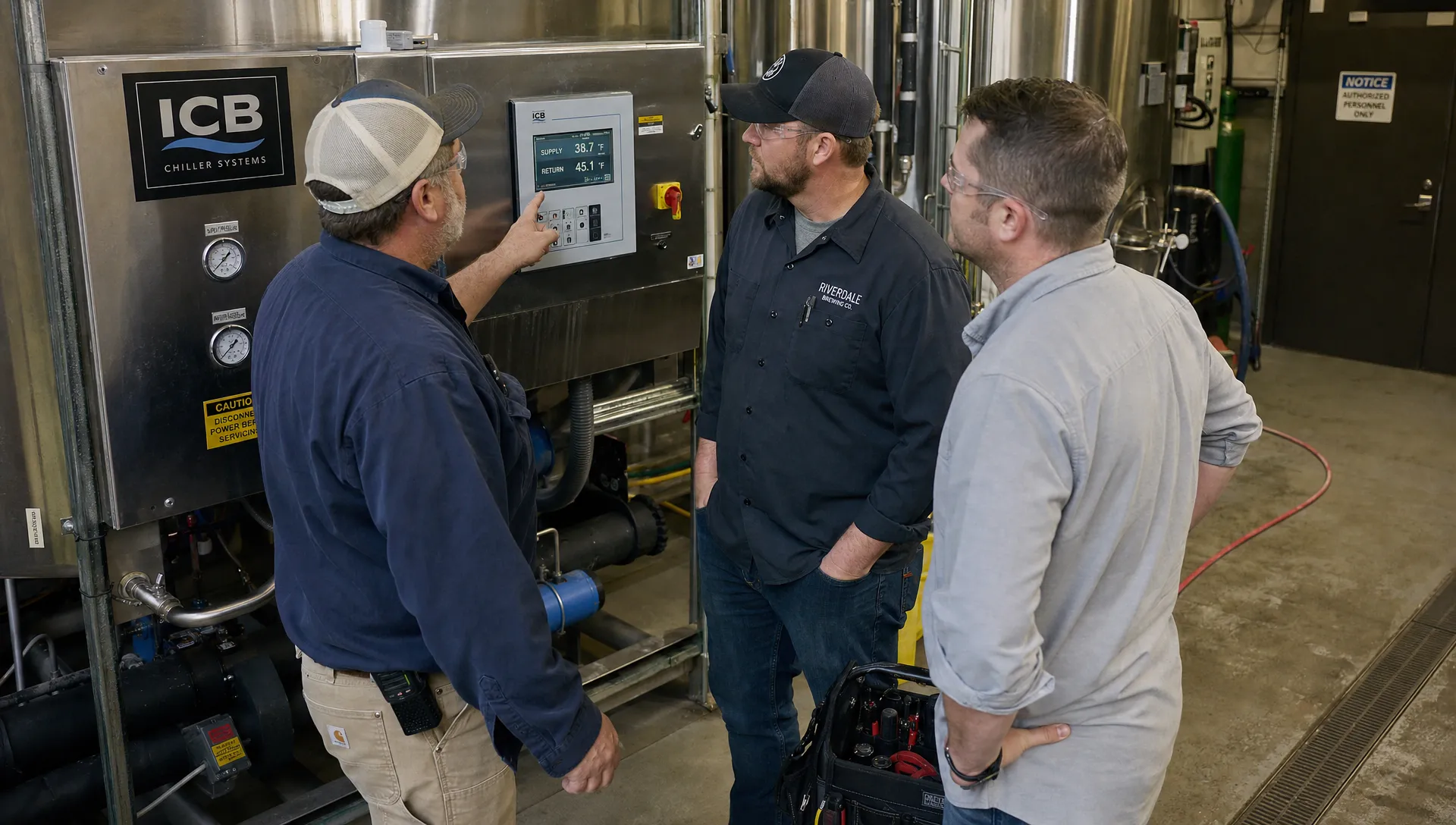
 A commercial building is a network of mechanical, electrical and refrigeration systems that all have to work together. When one part fails, the symptoms are not always obvious. A walk-in cooler that will not hold temperature might have a refrigerant leak, a failing compressor, a bad controller or an electrical issue feeding the unit. A restaurant exhaust fan that stops pulling air might be a motor problem, a belt issue, a make-up air imbalance or a wiring fault. That is why many businesses search for commercial mechanical contractors near me when they need more than a basic service call. A true commercial mechanical contractor can look across connected systems, diagnose the cause and coordinate the repair without forcing the owner or facility manager to call three separate vendors. For restaurants, breweries, food processing plants, schools, retail buildings and industrial facilities, that multi-trade capability can protect inventory, reduce downtime and help keep operations compliant. What is a commercial mechanical contractor? A commercial mechanical contractor installs, repairs and maintains the mechanical systems that keep a commercial facility operating. In practice, that often includes HVAC, refrigeration, boilers, chillers, ventilation, kitchen exhaust, gas piping, compressed air, equipment controls and related electrical work. The exact scope depends on licensing, training and the contractor’s business model. Some companies focus mainly on HVAC. Others, like VA Commercial Repair Solutions, work across commercial HVAC, restaurant refrigeration, electrical, boilers, chillers, range hoods, fans, ice makers and related facility systems. The difference matters because commercial buildings rarely fail in neat categories. If a rooftop unit trips a breaker, the problem may not be only electrical. If a kitchen line feels hot and smoky, the issue may involve the hood, exhaust fan, make-up air and fire suppression layout. A mechanical contractor with broader commercial experience can trace those overlaps faster. Commercial HVAC systems Commercial HVAC is one of the core areas mechanical contractors handle. This can include heating, air conditioning, ventilation, ductwork, controls and rooftop equipment. Common commercial HVAC work includes: Rooftop unit repair and replacement Split system and packaged unit service Heat pump and furnace repair PTAC and mini-split service for hotels, offices or specialty spaces Ductwork installation, balancing and repair Thermostat and control troubleshooting Preventive maintenance programs Refrigerant leak diagnosis and conversion support For a business, HVAC work is not just about comfort. Poor cooling can drive customers away, affect employee productivity and create unsafe indoor conditions for kitchens or production spaces. Poor ventilation can create odors, humidity issues and code concerns. If your current concern is air conditioning performance, this guide to commercial HVAC repair explains what businesses should look for in a qualified repair provider. Commercial refrigeration and cold storage Commercial refrigeration is a separate skill set from standard comfort cooling. It involves tighter temperature requirements, food safety risk and equipment that often runs around the clock. Mechanical contractors with refrigeration capability can handle walk-in coolers, walk-in freezers, reach-in coolers, prep tables, ice machines, chillers and specialty cold storage. In restaurants and food facilities, even a small temperature drift can become expensive if inventory is lost or health-code compliance is affected. A refrigeration service call may involve checking evaporator coils, condenser airflow, refrigerant charge, door gaskets, defrost timers, drain lines, fan motors, compressor operation and electrical controls. For cold storage and food processing facilities, refrigeration may also be tied to 3-phase power, alarms, backup systems and production schedules. This is one reason a commercial mechanical contractor is often a better fit than a residential HVAC provider. The stakes, equipment types and diagnostic process are different. Restaurant equipment, hoods and exhaust systems Restaurants, institutional kitchens and food-service operations need specialized mechanical support. A contractor working in these environments may handle cooking equipment, exhaust hoods, exhaust fans, make-up air, stainless fabrication, fire suppression coordination and refrigeration. Kitchen exhaust systems deserve special attention. Type 1 hoods are used over grease-producing equipment, while Type 2 hoods handle heat or steam. These systems need proper airflow, fire-safety design and ongoing maintenance. The NFPA 96 standard is one of the major references for ventilation control and fire protection in commercial cooking operations. A hood or exhaust problem can quickly affect an entire kitchen. Smoke, heat, grease vapor and negative air pressure make it hard to operate safely. Sometimes the issue is not the hood itself, but the fan, belts, bearings, make-up air fan, electrical feed or rooftop access. A mechanical contractor can inspect the complete system instead of treating each component in isolation. Boilers, chillers and hydronic systems Many commercial buildings use boilers, chillers or hydronic systems for heating, cooling or process loads. These systems are common in schools, industrial plants, larger commercial buildings, breweries and facilities with high heating or cooling demand. Commercial mechanical contractors may handle: Steam boiler and hot water boiler service Boiler pump and control troubleshooting Chiller repair and replacement Hydronic piping repairs Heat exchanger inspection Combustion and safety checks Preventive maintenance before peak heating or cooling season Boilers and chillers require disciplined diagnostics. A short cycling boiler, unstable chiller pressure or repeated lockout can point to controls, water flow, combustion, heat transfer or electrical issues. Guesswork is expensive, especially when the system supports production or a large occupied building. Commercial electrical work tied to mechanical systems Mechanical equipment depends on safe, reliable electrical infrastructure. Motors, compressors, controls, contactors, transformers, panels and disconnects all affect whether a system runs correctly. This is where the line between mechanical and electrical work becomes practical rather than theoretical. A walk-in freezer compressor may look like a refrigeration problem, but the root cause could be voltage imbalance. An exhaust fan may fail because of a worn motor, but also because of a starter, overload or wiring issue. A processing line may shut down because a breaker trips under load. A contractor licensed for both mechanical and electrical work can reduce the handoff problem. Instead of having one company say “call an electrician” and the electrician say “call the HVAC company,” the same team can evaluate the complete equipment circuit. For businesses comparing electrical support options, this overview of commercial electric repair service covers preventive maintenance, troubleshooting and licensing considerations.
September 23, 2026
 Commercial AC problems are not all equal. A slightly warm conference room is annoying; a failed rooftop unit over a dining room on a 92°F afternoon can cut sales, create staff safety concerns and strain refrigeration equipment that is already working hard. If you are searching for same day AC repair, the practical question is simple: will waiting until tomorrow put people, inventory, equipment, revenue or compliance at risk? If the answer is yes, treat it as a same-day service call. If the system is still controlling temperature and the issue is stable, scheduled service may be the smarter choice. This guide is written for business owners, facility managers, restaurant operators and property managers in Virginia who need to decide whether an AC problem can wait. The simple rule: call the same day when waiting changes the outcome Same-day AC repair is not only for a total shutdown. It is for any cooling issue where delay is likely to make the problem more expensive or disruptive. Commercial HVAC systems serve larger spaces, longer operating hours and more demanding loads than residential systems. A problem that looks small at 9 a.m. can turn into a business interruption by the lunch rush or late afternoon. Use this quick triage table before deciding whether to call now or schedule later.
September 17, 2026
 Commercial buildings depend on systems that rarely operate in isolation. A rooftop HVAC unit affects airflow and comfort, but it may also tie into electrical panels, ductwork, controls, gas piping and building ventilation. A walk-in cooler is refrigeration equipment, but a temperature failure can involve compressors, relays, evaporator fans, drain lines, door gaskets or the electrical circuit feeding the unit. That is where a mechanical contractor becomes different from a single-trade repair vendor. For facility managers, restaurant owners, food processing operators and property managers, knowing when to call a mechanical contractor can prevent downtime, protect inventory and reduce the risk of unsafe repairs. If you are searching for a “mechanical contractor near me,” the real question is not only who is closest. It is whether the contractor can diagnose the full building system, not just the first failed part they notice. What a mechanical contractor does for commercial buildings A mechanical contractor works on the systems that move air, water, refrigerant, heat, gas and sometimes compressed air through a commercial facility. In practical terms, that can include commercial HVAC, refrigeration, boilers, chillers, kitchen exhaust, ductwork, gas piping, air compressors and related controls. In a small office, the issue might be a rooftop unit that is short cycling. In a restaurant, it might be a make-up air problem causing the kitchen hood to pull poorly. In a dairy, cold storage facility or brewery, it might be a refrigeration and electrical issue happening at the same time. The value of a mechanical contractor is that they look at the system as a connected whole. That matters because the visible symptom is often not the root cause. A warm dining room may come from a failing compressor, but it may also come from a clogged coil, low airflow, a thermostat issue, undersized ductwork or an exhaust imbalance. A freezer that cannot hold temperature may not need a new box. It may need a defrost repair, door adjustment, refrigerant diagnosis or electrical troubleshooting. For commercial facilities, this broader view is especially important because downtime usually costs more than the service call. Lost product, unhappy tenants, failed inspections, canceled service and emergency replacement decisions can all stem from waiting too long or calling the wrong type of contractor. Call a mechanical contractor immediately for safety-critical symptoms Some building system problems should be treated as urgent, even if the equipment has not fully failed yet. Safety comes first. If there is an active fire, suspected carbon monoxide exposure, a strong gas odor or an immediate electrical hazard, evacuate as appropriate and call emergency services or the utility before calling a repair contractor. Once the immediate life-safety concern is addressed, a qualified mechanical contractor should inspect the affected system before it is returned to service. That is especially true for boilers, gas-fired equipment, commercial kitchens, electrical panels and mechanical rooms. Gas, combustion or boiler warning signs Call right away if you notice unusual burner behavior, rollout, soot, repeated boiler lockouts, pressure problems, banging pipes, water around boiler equipment or a combustion smell. Commercial boilers and gas-fired appliances should not be treated as trial-and-error repairs. A cracked boiler combustion chamber, failed heat exchanger or unsafe combustion condition can put occupants and staff at risk. A contractor should be able to test and show the evidence, not simply say that replacement is needed. For commercial buildings, documentation matters because owners, managers and inspectors may need a clear record of what failed and why. Electrical symptoms tied to mechanical equipment Repeated breaker trips, hot disconnects, burning odors, buzzing panels, motor failures or flickering lights near equipment should not be ignored. Mechanical systems often fail because of electrical conditions, and electrical systems can be damaged by failing motors, compressors or controls. The National Electrical Code , published by NFPA as NFPA 70, is the core safety standard for electrical installation in the United States. In a commercial setting, repair work needs to respect both equipment requirements and code requirements. If a freezer, RTU, exhaust fan or air compressor keeps tripping a breaker, replacing the breaker without diagnosing the load can create a larger hazard. For issues involving panels, circuits, motors or power distribution, a contractor with commercial mechanical and electrical capability can reduce finger-pointing between separate vendors. VA Commercial Repair Solutions covers this kind of overlap through its commercial electric repair service , which is useful when the symptom sits between the equipment and the electrical infrastructure. Refrigeration temperature failures Restaurants, grocery operations, cafeterias, breweries, wineries, dairies and cold storage facilities should call quickly when refrigeration equipment cannot hold temperature. Waiting overnight can turn a repair into a product-loss event. The FDA Food Code uses 41 degrees Fahrenheit or below as the cold-holding standard for many time and temperature control foods. Facility teams should follow their own food safety procedures and local health department requirements, but a walk-in cooler trending upward should be treated as urgent before it becomes a failed inspection or discarded inventory. A mechanical contractor should inspect the entire refrigeration system, including evaporator fans, condenser condition, drain problems, defrost controls, door seals, refrigerant level and electrical components. Refrigerant work should be handled by properly certified technicians. The EPA’s Section 608 technician certification requirements apply to technicians who maintain, service, repair or dispose of equipment that could release refrigerants. Kitchen exhaust and make-up air problems Commercial kitchens rely on balanced ventilation. If the hood is not capturing smoke, grease vapor or heat properly, the issue may involve exhaust fans, make-up air, belts, ductwork, controls or the design of the hood system itself. Warning signs include smoke spilling into the kitchen, doors becoming hard to open, pilot lights being affected by airflow, hot kitchen conditions, grease odors outside the hood area or fan noise that changes suddenly. These are not just comfort problems. They can affect fire safety, employee working conditions and health inspection readiness. A mechanical contractor experienced with commercial kitchens can evaluate the hood, exhaust fan, make-up air and related electrical controls together instead of treating each component separately. Call before performance problems become shutdowns Not every mechanical issue looks like an emergency at first. Many failures begin as small changes in performance. The system still runs, but it takes longer to recover, makes more noise, uses more energy or needs frequent resets. For commercial HVAC systems, early signs include hot and cold zones, weak airflow, short cycling, recurring thermostat complaints, unusual odors, rising utility use or water around equipment. If the issue is specifically with air conditioning, this guide to commercial HVAC repair covers how maintenance and timely diagnosis can prevent larger failures. For refrigeration, pay attention to frost buildup, longer compressor run times, water on the floor, fluctuating case temperatures, noisy fan motors and repeated ice maker faults. For boilers and chillers, warning signs include slow recovery, alarms, leaks, pump noise, water treatment concerns or pressure changes. The best time to call is often when the pattern changes, not when the unit stops. Facility staff usually know what normal looks and sounds like. If something feels different for two or three shifts in a row, document it and have it checked.
September 17, 2026
If you are trying to budget for a commercial HVAC visit in Virginia, the simplest answer is this: a standard business-hours diagnostic service call commonly falls somewhere around $150 to $350 before repair work, parts, refrigerant or specialty equipment . Emergency, weekend or after-hours calls can cost more, especially when the technician is responding to a no-cooling, no-heat or food-safety emergency. That number is only the starting point. A commercial HVAC service call cost can change quickly based on the type of equipment, rooftop access, the amount of troubleshooting required, travel time, electrical complexity and whether the repair can be completed on the first visit. VA Commercial Repair Solutions does not publish a flat online service-call menu, because commercial systems vary widely. The company does, however, offer no service call fee when repair work is performed and free installation quotes.  For business owners and facility managers, that distinction matters: the lowest diagnostic fee is not always the lowest total cost if the contractor cannot diagnose the system correctly or has to come back with parts that should have been stocked. Typical commercial HVAC service call cost in Virginia Use the ranges below as planning estimates, not a guaranteed quote. A small office heat pump in Waynesboro, a rooftop unit serving a restaurant in Charlottesville and a larger packaged unit on a school or production facility in Harrisonburg can all require different time, access and parts.
September 11, 2026
 A tripped breaker at 6 p.m. on a Friday doesn't wait for Monday. Neither does a burning smell from a panel, or a kitchen circuit that goes dark mid-shift. Electrical failures don't check your business hours first. Electrical malfunction is a real cause of building fires, not just an inconvenience. It accounts for 7.2% of nonresidential building fires nationally, per the U.S. Fire Administration . Not every electrician who advertises "24/7 service" staffs it the same way. Some route after-hours calls to an answering service. Others keep a live dispatcher and a truck ready to move. That gap matters more than it looks. A message left with an answering service might not reach a technician until morning. For a walk-in freezer losing power, that delay can cost far more than the repair itself. Coverage area matters just as much. A contractor with a fast response time three counties away is still a slow response time for you. This guide covers five Virginia companies built around commercial and industrial emergency electrical repair. Each was evaluated on response model, service area, and the kind of facility their work actually fits. None of them serve every corner of the state. Matching location to need matters just as much as picking a familiar name. This list is narrower than general electrical contracting, too. For panel-upgrade costs, breaker troubleshooting, and 3-phase power basics, our commercial electrical guide and cost estimates covers that broader ground. Which Virginia Companies Handle Emergency Electrical Repair? VA Commercial Repair Solutions answers every call with a live manager, 24/7, across the Shenandoah Valley. NIMPRO Electrical brings ISNetworld-certified commercial and industrial service to the Richmond area. Chewning + Wilmer has served Central Virginia's industrial base since 1924. White Electric Company covers Hampton Roads from Virginia Beach, and CMI Companies rounds out the list from Northern Virginia.
September 11, 2026
For a restaurant, food loss rarely starts with a cooler that is completely dead. It often starts with a few degrees of drift, a door gasket that no longer seals, a fan motor that slows down during dinner rush or a walk-in freezer that takes too long to recover after deliveries. That is why restaurant refrigeration repair is not just an equipment expense. It is inventory protection, food safety support and revenue protection for the kitchen. When a reach-in, walk-in cooler, prep table, freezer or ice machine fails, the cost is rarely limited to parts and labor. The bigger loss may be the product you have to throw away, the menu items you cannot sell and the staff time spent scrambling to move food. Why refrigeration problems create food loss so quickly Restaurants hold high-value ingredients in equipment that runs all day, every day. Meat, seafood, dairy, sauces, produce, dough, desserts and prepared foods depend on consistent temperature control. If one box warms up during a busy shift, a kitchen can lose hundreds or thousands of dollars in product before anyone sees a puddle on the floor or hears an alarm. The FDA Food Code uses 41°F or below as the cold-holding standard for time and temperature control for safety foods. The USDA Food Safety and Inspection Service also advises that perishable foods held above 40°F for more than 2 hours may need to be discarded in emergency situations.  Restaurants should follow their food safety plan, local health department guidance and internal temperature logs, but the practical lesson is simple: time and temperature determine whether product can be saved. Food loss usually comes from four connected problems: Inventory spoilage from unsafe product temperatures Service disruption when menu items cannot be prepared or sold Labor waste from moving, checking, labeling and discarding food Reputation risk if quality drops or a food safety issue occurs A cooler that is “almost holding” can still create a loss. If the air temperature reads 39°F near the thermostat but pans of chicken, cream sauce or sliced tomatoes are sitting at 45°F after a rush, the equipment is no longer doing its job for the kitchen. What restaurant refrigeration repair actually protects Good repair work does more than restart a unit. A restaurant refrigeration technician looks for the reason the equipment lost control in the first place, then restores the system’s ability to hold temperature under real operating conditions. That may mean cleaning a blocked condenser, replacing a failing evaporator fan motor, correcting a defrost issue, repairing a refrigerant leak, replacing a control sensor or fixing an electrical fault. In some cases, the repair is not inside the refrigeration circuit at all. A loose connection, bad contactor, tripped breaker or overloaded circuit can shut down a system that looks like a refrigeration failure to the kitchen team. This matters because quick fixes can hide the real threat. Adding refrigerant without finding a leak, resetting a breaker without identifying the cause or chipping ice off an evaporator coil without solving the airflow problem may get the box cold for a few hours. It may also lead to the same failure during the next service period, when the walk-in is full and the kitchen has no time to react. If your team is trying to reduce recurring losses, it helps to pair timely repairs with documented maintenance. VA Commercial Repair Solutions covers practical steps in its guide to maintaining commercial refrigeration equipment , including coil care, gasket checks, leak detection and temperature monitoring. Common refrigeration failures that put inventory at risk Not every failure looks urgent at first. Some of the most expensive food loss events begin with small symptoms that were easy to overlook.
September 11, 2026
 A cracked glycol line at 2 a.m. doesn't wait for business hours. Neither does a stuck bottling line the morning before a release. Microbreweries and vineyards run equipment most general repair shops have never opened up. Calling the wrong contractor costs more than a delayed service call. A tech who doesn't understand food-grade sanitation can contaminate a batch. One who doesn't understand glycol cooling can leave a fermentation room warm for days. Virginia's craft beverage sector has grown into one worth protecting. The state counts 344 craft breweries, good for 11th nationally, per the Brewers Association . Virginia Wine tracks more than 300 wineries on top of that. That's a lot of fermentation tanks, draft lines, and vineyard tractors. Each one eventually needs a technician who has actually worked on it before. None of these are one-trade problems, either. A brewery's chiller failure could be electrical, mechanical, or purely refrigeration. Figuring out which one it is first often wastes the hours that matter most. A vineyard's tractor breakdown is a completely different discipline from a bottling line jam. Both show up under the same "equipment repair" search, but almost nobody fixes both well. This guide covers five Virginia companies that repair microbrewery and vineyard equipment. Each was evaluated on trade scope, certifications, and service area. We also weighed how directly their daily work touches this niche, not just how they market themselves. Who Repairs Brewery and Vineyard Equipment in Virginia? VA Commercial Repair Solutions covers the Shenandoah Valley with certified draft technicians and in-house steel fabrication. Valley Restaurant Repair works the same corridor as a broader multi-trade shop. Welding Processes & Mechanical brings statewide boiler, chiller, and steel fabrication coverage. AC Beverage specializes narrowly in draft beer systems across the DC-Maryland-Virginia region. Amos Equipment Repair keeps Goochland County vineyards' tractors running. Together, the five cover a wider slice of the niche than any single company could alone. Pick based on which piece of equipment is actually down, not which name sounds most familiar.
September 4, 2026
 A power outage does more than turn off the lights for a Virginia business. Production lines stop, refrigerated inventory spoils, and servers can lose data in seconds. Berkeley Lab's interruption-cost research puts the toll on U.S. businesses in the billions every year. Virginia's commercial generator market splits between two kinds of installers. Some are electrical contractors who added generators to a broader service list. Others are dedicated power specialists who sell, size, and service backup systems full time. The average U.S. electricity customer already loses about 341 minutes a year to non-momentary outages, per EIA reliability data . For a commercial kitchen or a cold storage facility, that adds up to real, repeated risk. This guide covers the eight best commercial generator installation companies in Virginia. Each was evaluated on service area, brand relationships, installation depth, and commercial support. Virginia's Top Commercial Generator Installers, At a Glance VA Commercial Repair Solutions engineers and installs standby power for commercial and industrial clients across central Virginia. The Power Connection is a Harrisonburg-based generator specialist serving the Shenandoah Valley and beyond. Carter Power Systems, the Caterpillar dealer's power division, handles industrial-scale generators statewide. Elite Power & Energy Corporation is a veteran-owned, multi-brand dealer serving Northern Virginia, Maryland, and DC. RECORE specializes in Energy-as-a-Service standby power for Hampton Roads businesses. Prestige Electric handles Generac-certified generator installation across the Tidewater region. SS Electrical Solutions installs and maintains Generac systems for Richmond-area homes and businesses. McGrady-Lambert Electric brings generator installation to Roanoke's commercial and industrial facilities.
September 4, 2026
 Choosing between HVAC maintenance companies is not the same as choosing who can replace a belt or change filters. For a commercial facility, the right partner affects operating costs, comfort complaints, food safety, production uptime and how quickly your team gets help when a rooftop unit quits during peak hours. The best comparison starts before you ask for a quote. You need a clear view of your equipment, your risk level and the response you expect when something breaks. A small office, a restaurant with walk-in coolers and a poultry processing facility do not need the same maintenance scope, even if all three have packaged HVAC equipment on the roof. Use the following framework to compare vendors with less guesswork and fewer surprises after the contract is signed. Start with your facility's risk profile A maintenance company can only price and plan accurately if it understands what failure means for your operation. In a retail office, a comfort cooling issue may trigger tenant complaints. In a restaurant, the same cooling problem can overload kitchen ventilation and refrigeration systems. In a cold storage facility, a mechanical or electrical failure can threaten inventory within hours. Before comparing proposals, build a simple equipment and risk profile. Include the age, brand, model and location of major equipment, along with any recurring issues. Rooftop units, split systems, make-up air units, exhaust fans, boilers, chillers, walk-in coolers, ice machines and control systems should all be documented if they are part of the contractor's scope. If you are not sure where your current system stands, a structured review like this guide to evaluating a commercial HVAC system can help you separate normal wear from signs that your maintenance program is falling behind. Compare scope, not just visit frequency Many proposals look similar at first glance: two visits per year, quarterly inspections or seasonal tune-ups. The real difference is what happens during those visits. One company may perform a quick visual inspection and filter change, while another checks electrical connections, drain lines, coils, belts, bearings, controls, economizers and temperature split readings. ASHRAE publishes Standard 180, a recognized maintenance standard for commercial HVAC systems. You do not need to memorize it, but it gives facility managers a useful principle: preventive maintenance should be equipment-specific, documented and tied to actual inspection tasks rather than vague promises. A proposal should make clear which systems are covered, what tasks are included and what is excluded. If it uses broad language like "inspect HVAC equipment" without a checklist, ask for detail before signing.
August 31, 2026
 A leaking walk-in cooler, a tripped panel, and a failed rooftop unit rarely fail in the same week. But when a facility manager needs three vendors for three trades, downtime stacks up fast. Commercial facility maintenance solves that: one licensed contractor across multiple trades who already knows the building. Virginia's commercial market has plenty of single-trade HVAC shops. Some also dabble in refrigeration or electrical work. Far fewer are staffed to run a full facility maintenance program under one contract. That means HVAC, refrigeration, electrical, kitchen equipment, and boilers, all from one vendor. This guide covers the five best commercial facility maintenance companies in Virginia. We evaluated each on trade coverage, contractor licensing, service area, and what happens when equipment fails at 2 a.m. Virginia's Top 5 Facility Maintenance Companies at a Glance VA Commercial Repair Solutions runs a full facility maintenance program for commercial clients across the Shenandoah Valley and central Virginia. That means HVAC, refrigeration, kitchen equipment, electrical, and boilers, backed by 24/7 live-person answering. Southern Air is a 100% employee-owned MEP contractor operating statewide since 1946, with thousands of buildings under active maintenance contracts. James River Air has covered Richmond-area facilities since 1967 across HVAC, plumbing, and electrical. Elite Service & Enterprises handles six trades for Hampton Roads clients under one Class A license. Oasis Heating, A/C & Refrigeration pairs HVAC with commercial refrigeration for Northern Virginia businesses since 1998.