
The Most Effective Solution for Commercial Kitchen Hood Installation
Why Commercial Kitchen Hood Installation is Critical for Restaurant Safety and Compliance

Commercial kitchen hood installation is essential for any restaurant or food service operation. It's not just equipment—it's a critical safety system that protects your staff, customers, and property.
Quick Answer: Commercial Kitchen Hood Installation Services
- Service Area: Central Virginia (Charlottesville to Lexington)
- Available: 24/7 emergency service with live answer
- Cost Range: $5,000-$20,000 depending on hood type and size
- Installation Timeline: Typically 2-5 days
- Code Compliance: NFPA 96, IMC, and local fire marshal requirements
- Contact: Reach out to our team anytime for same-day service
A properly installed commercial kitchen exhaust hood removes heat, smoke, grease particles, and cooking odors from your kitchen environment. Without this ventilation system, you risk grease buildup in ducts (a major fire hazard), poor air quality, excessive kitchen temperatures, and potential code violations that could shut down your operation.
The type of hood you need depends on your cooking equipment. Type I hoods are designed for grease-producing appliances like fryers and grills, while Type II hoods handle steam and heat from dishwashers and non-grease equipment.
Installation costs typically range from $950 to $1,200 per linear foot, meaning a standard 10-foot hood installation could cost approximately $10,000. This investment includes not just the hood itself, but also ductwork, exhaust fans, make-up air systems, and fire suppression equipment.
I'm Gregg Kell, a commercial kitchen ventilation specialist with over 15 years of experience in commercial kitchen hood installation throughout Virginia, helping restaurant owners steer complex ventilation requirements while ensuring safety and code compliance.

Why Every Restaurant Needs a Commercial Hood
Ever walked into a restaurant kitchen and felt that wall of heat, smoke, and cooking aromas hit you? That's exactly what your customers and staff experience without proper ventilation. Every commercial kitchen generates these byproducts during cooking operations, and without the right system in place, you're looking at more than just discomfort—you're facing serious safety risks.
A properly designed and installed commercial kitchen hood installation isn't just another piece of equipment—it's your first line of defense against potentially dangerous conditions in your kitchen.
Think about what happens when you're cooking on a busy Friday night. Grills sizzling, fryers bubbling, and ovens running at full capacity. All that activity produces:
Grease vapor that can coat your ductwork and create serious fire hazards if not properly captured and removed. This greasy buildup is actually the leading cause of restaurant fires nationwide.
Carbon monoxide and other cooking gases that can lead to headaches, fatigue, and respiratory issues for your hardworking staff when they're breathing these contaminants hour after hour.
Excessive heat that makes your kitchen feel like the inside of an oven, leading to staff discomfort, reduced productivity, and even heat-related illness during summer months.
Cooking odors that can drift into dining areas, affecting your customers' experience and potentially driving them away.
According to OSHA regulations on ventilation, proper air exchange is not just recommended—it's required to maintain a safe working environment. These aren't arbitrary rules—they're based on years of research showing the real health impacts of poor kitchen ventilation.
Functions & Benefits at a Glance
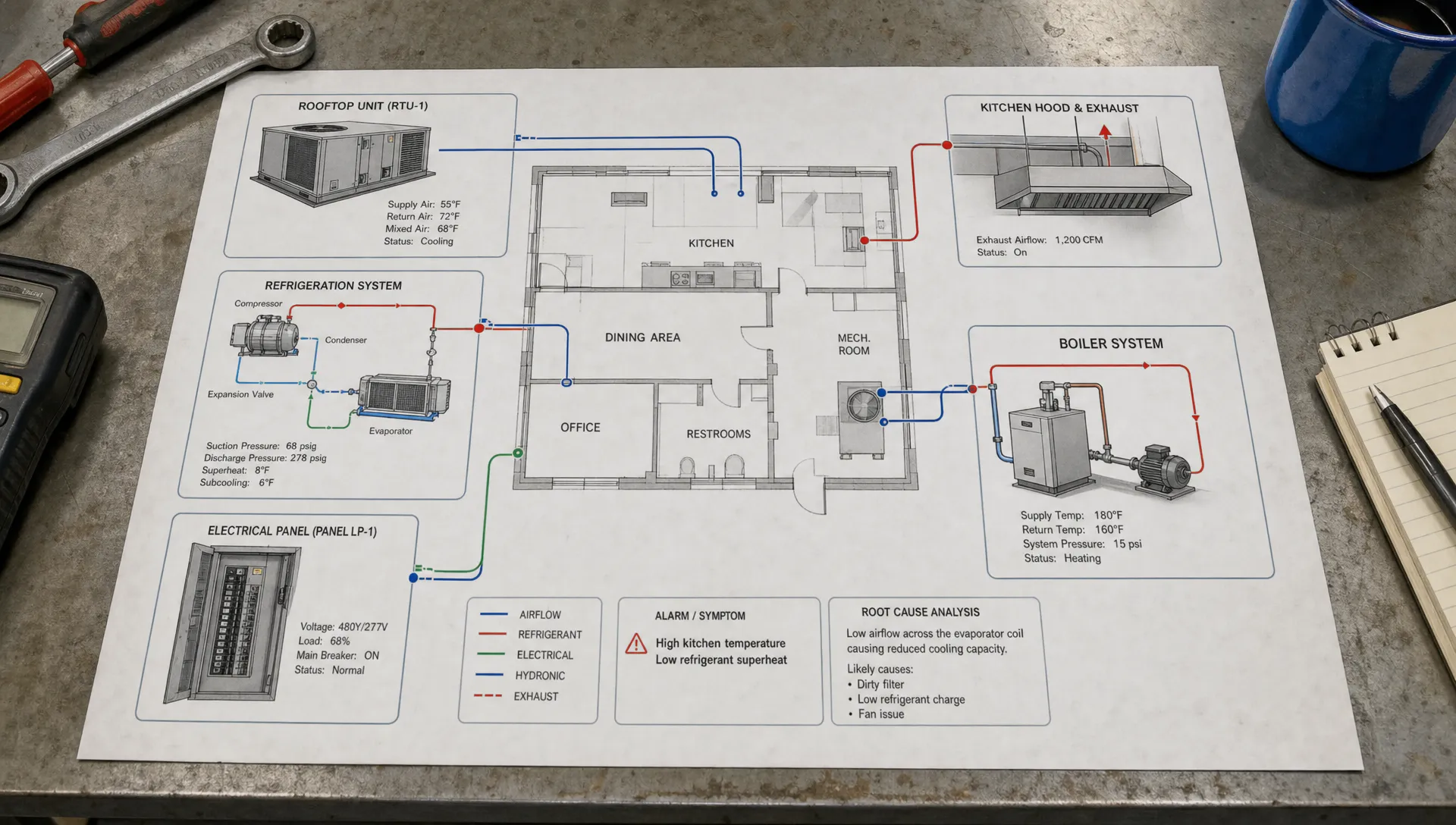
Modern hood systems are engineering marvels designed to keep your kitchen running safely and efficiently. They include several key components working together:
Capture jets create an invisible curtain of air that helps funnel smoke and grease up into the hood rather than escaping into your kitchen. This technology dramatically improves capture efficiency while potentially reducing energy costs.
Make-up air systems replace the air being exhausted, preventing negative pressure that can cause drafts, make doors hard to open, and reduce your hood's effectiveness. Without proper make-up air, your expensive hood system might not work as designed.
Exhaust fans provide the muscle to move contaminated air up and out. These workhorses need to be properly sized for your specific kitchen layout and cooking volume.
Ductwork forms the pathway from hood to outside world, safely channeling heat, smoke and grease-laden air away from your business. Proper duct design is critical for both safety and system efficiency.
When these components work in harmony, you'll notice improved air quality, more comfortable temperatures, and even potentially longer equipment life as less grease and moisture damage occurs.
Safety Standards You Can't Ignore
When it comes to commercial kitchen hood installation , cutting corners isn't just risky—it's potentially catastrophic. Several critical safety standards govern these systems:
NFPA 96 is the bible of commercial kitchen ventilation. This comprehensive standard covers everything from hood construction materials to fire suppression requirements. Compliance isn't optional—it's essential for safe operation.
International Mechanical Code provides additional requirements that your system must meet, particularly regarding mechanical aspects of the installation.
Local Authority Having Jurisdiction (AHJ) requirements may go beyond national codes. Your local fire marshal has the final say on whether your system passes inspection.
One crucial requirement you absolutely can't ignore: maintaining an 18-inch clearance between your hood system and any combustible materials. This safety buffer is non-negotiable unless you're using approved alternative methods.
Failing to meet these standards isn't just a minor issue—it can result in failed inspections, business closure until violations are fixed, insurance problems, and potentially devastating liability if something goes wrong.
At VA Commercial Repair Solutions, we take these standards seriously because we know what's at stake. Every commercial kitchen hood installation we perform meets or exceeds all applicable codes, giving you one less thing to worry about in your busy restaurant operation.
Want to learn more about the specifics of exhaust hoods and fans? Check out our detailed guide on EXHAUST HOODS AND EXHAUST FANS for additional information.
Picking the Perfect Hood: Type I vs Type II & Beyond
Selecting the right hood for your commercial kitchen is a crucial decision that impacts safety, compliance, and operational efficiency. The first step is determining whether you need a Type I or Type II hood based on your cooking equipment and processes.
Type I hoods (also called grease hoods) are designed for cooking equipment that produces grease-laden vapors, such as:
- Fryers
- Grills and griddles
- Broilers
- Woks and ranges
- Ovens (except those specifically exempt)
- Rotisseries
These hoods feature grease filters or extraction devices, must be constructed of 16-gauge stainless steel or other approved materials, and require integrated fire suppression systems.
Type II hoods (also called condensate hoods) are suitable for equipment that produces heat and moisture but not grease, such as:
- Dishwashers
- Steam tables
- Some baking ovens
- Pasta cookers
Type II hoods are typically simpler in design and don't require grease filters or fire suppression systems.
Beyond the basic type, you'll need to consider the hood's configuration:
- Wall-mounted canopy hoods are installed against a wall and are the most common type
- Island canopy hoods are suspended over cooking equipment in island configurations
- Low-profile hoods are designed for kitchens with ceiling height limitations
- Proximity (backshelf) hoods are mounted closer to cooking surfaces to improve capture efficiency
All commercial hoods should be UL-rated (typically UL 710 for performance) and constructed of durable materials like 16-gauge stainless steel for long-term performance.
Type I vs Type II Features
| Feature | Type I (Grease) Hood | Type II (Condensate) Hood |
|---|---|---|
| Primary Use | Grease-producing equipment | Steam and heat-producing equipment |
| Construction | 16-gauge stainless steel | 18-gauge stainless steel |
| Fire Suppression | Required | Not required |
| Grease Filters | Required | Not required |
| Duct Requirements | Welded, grease-tight | Standard HVAC ductwork |
| Clearance to Combustibles | 18 inches (unless reduced by approved methods) | Standard HVAC clearances |
| Typical Cost Range | $1,000-$1,200 per linear foot installed | $700-$900 per linear foot installed |
| Inspection Frequency | Monthly to quarterly | Annual |
Sizing & Layout Essentials
Proper sizing is critical for effective commercial kitchen hood installation . An undersized hood won't capture all cooking vapors, while an oversized hood wastes energy and increases costs unnecessarily.
Key sizing considerations include:
- Hood Overhang : The hood should extend at least 6 inches beyond cooking equipment on all open sides, with 12 inches recommended for heavy-duty cooking operations.
- Linear Foot Rule : A common rule of thumb is that the hood should be sized to the cooking equipment footprint plus the required overhang.
- Ceiling Height : Higher ceilings may require larger hoods to maintain proper capture.
- Island Clearances : Island configurations require more overhang (typically 12 inches) on all exposed sides.
The hood's mounting height is also critical—typically 6'6" to 7'0" above the finished floor, with the bottom edge of the hood 30-36 inches above cooking surfaces for optimal performance.
Key System Components
A complete commercial kitchen ventilation system includes several critical components beyond just the hood:
- Filters and Baffles : These capture grease particles before they enter the ductwork. Options include baffle filters, mesh filters, and more advanced extraction technologies.
- Duct Access Doors : Required by code, these provide access points for cleaning and inspection.
- Upblast Exhaust Fan : Typically mounted on the roof, this fan creates the negative pressure needed to pull air through the system.
- Roof Curb : Provides a watertight mounting surface for the fan on the roof.
- Makeup Air Unit : Replaces air removed by the exhaust system to maintain proper building pressure.
- Wet Chemical Fire Suppression System : Required for Type I hoods, these systems automatically deploy fire suppressant if flames are detected.
- Control Panel : Manages fan operation, lighting, and often integrates with fire suppression and building management systems.

Step-By-Step Guide to Commercial Kitchen Hood Installation
Commercial kitchen hood installation is a complex process that requires careful planning, precise execution, and thorough testing. While we strongly recommend professional installation by qualified contractors like VA Commercial Repair Solutions, understanding the process helps you make informed decisions and ensures quality work.
Pre-Install Planning & Permits
Proper planning is essential for a successful installation:
-
Blueprint and Layout Development : The first step is creating detailed plans showing hood placement, ductwork routing, and equipment locations. These plans must consider kitchen workflow, building structure, and code requirements.
-
Load Calculations : Structural engineers must verify that the building can support the weight of the hood system, which can be substantial—especially for large stainless steel hoods with fire suppression systems.
-
Fire Marshal Review : In most jurisdictions, plans must be submitted to the local fire marshal for review and approval before installation begins. This review ensures compliance with fire safety codes.
-
Building Permits : Permits are typically required for hood installation, with fees ranging from $100 to $500 depending on the jurisdiction and project scope.
-
Timeline Development : A realistic installation timeline should account for equipment delivery, coordination with other trades (electrical, plumbing, roofing), and inspection schedules.
The planning phase typically takes 2-4 weeks, depending on permit approval times and project complexity.
The Installation Process Explained
The actual installation follows a logical sequence:
-
Equipment Delivery and Inspection : When the hood arrives, it should be carefully uncrated and inspected for shipping damage before installation begins.
-
Hood Positioning : The centerline of the hood is marked on the ceiling, ensuring proper alignment with cooking equipment below.
-
Mounting System Installation : Typically, ½-inch threaded rods are anchored to structural ceiling members to support the hood. The number and placement of these rods depend on hood size and weight.
-
Hood Hanging and Leveling : The hood is carefully lifted into position, attached to the mounting rods, and precisely leveled in all directions.
-
Ductwork Installation :
- The exhaust collar is welded to the hood
- Ductwork is run from the hood to the exhaust fan location (typically the roof)
- All seams are welded liquid-tight to prevent grease leakage
- Access doors are installed at required locations for future cleaning
-
Exhaust Fan Installation : The fan is mounted on a roof curb, connected to the ductwork, and wired to the control system.
-
Make-up Air System Installation : The make-up air unit is installed, connected to ductwork, and integrated with the control system.
-
Fire Suppression System Installation : Nozzles are positioned above cooking equipment, the suppression agent tank is installed, and the system is connected to gas shutoff valves and the fire alarm system if required.
-
Control System Wiring : The hood's lights, fans, and fire suppression monitoring are wired to the control panel.
-
System Charging and Testing : The fire suppression system is charged with the appropriate agent and tested to ensure proper operation.

Post-Install Code & Performance Checks
After installation, several critical tests ensure the system functions properly:
-
Smoke Test : This visual test uses a smoke source to verify that the hood captures all vapors effectively.
-
CFM Measurement : Airflow is measured to confirm that the system moves the proper volume of air based on design specifications.
-
Static Pressure Testing : Pressure measurements verify that the system operates within design parameters.
-
Hood Capture Velocity : Air velocity at the hood face is measured to ensure proper capture efficiency.
-
Fire Suppression Testing : The fire suppression system is tested (without discharging agent) to verify proper operation.
-
Final Inspection : The local fire marshal and building inspector conduct a final review to verify code compliance before issuing approval for use.
-
Commissioning Report : A detailed report documents all test results, confirming that the system meets design specifications and code requirements.
These tests not only ensure compliance but also establish baseline performance metrics for future reference. Proper documentation of these tests is essential for both regulatory compliance and system maintenance.
Budget, Compliance & Common Pitfalls
Let's talk money—because I know that's probably one of your biggest concerns when considering a commercial kitchen hood installation . As a restaurant owner, you need to balance safety with your budget, and understanding the costs upfront helps avoid those heart-stopping surprises later.
While every installation is unique (just like your restaurant!), here's what you can typically expect to invest:
- Hood Unit : $950-$1,200 per linear foot (so a 10-foot hood would run you $9,500-$12,000)
- Labor : $500-$1,500 depending on how tricky the installation is
- Ductwork : $200-$2,000 based on length and routing complexity
- Fire Suppression System : $2,000-$5,000 for a standard restaurant setup
- Permits and Inspections : $100-$500 depending on your local requirements
- Exhaust Fan and Make-up Air : $300-$1,500 combined
For most restaurants with a standard 10-foot hood, you're looking at a total investment between $12,000 and $20,000. I know that's a significant chunk of change, but remember—this system protects your entire business from devastating fires, keeps your staff comfortable, and prevents those dreaded code violations that could shut you down.

How Kitchen Layout & Materials Change the Price
Your specific kitchen setup can significantly impact what you'll pay. Think of it like buying a car—the base model gets you from A to B, but those extras add up quickly!
Hood length is perhaps the most obvious factor—longer hoods cost more not just for the unit itself, but also for additional support structures, ductwork, and fire suppression coverage. It's like buying a bigger TV—the price doesn't just increase with screen size, but with everything that supports it.
Material quality matters too. While 16-gauge stainless steel is standard for Type I hoods (and looks pretty sharp!), upgraded finishes or custom designs will bump up your investment. That beautiful copper-finished hood might look amazing, but your wallet will definitely feel it.
Mounting location can actually save you money. An exterior wall mount typically reduces ductwork length and labor costs compared to installations requiring long duct runs through the building. Less duct means less material and less labor—a win-win!
Roof penetrations might sound simple, but complex roof structures often require additional waterproofing and structural modifications. It's like the difference between hanging a picture on drywall versus trying to mount it on brick—sometimes what seems straightforward gets complicated fast.
Retrofits versus new construction is another major consideration. Installing a hood in an existing building typically costs more than including it in new construction due to structural modifications and working around existing systems. It's always easier (and cheaper) to build it right the first time than to modify later.
At VA Commercial Repair Solutions, we believe in transparency. Our quotes break down all these costs so you understand exactly what you're paying for—and where you might find savings without cutting corners on safety.
Avoid These Installation Mistakes
Even seasoned contractors sometimes make errors during commercial kitchen hood installation . I've seen them all, and trust me—these mistakes can cost you big time down the road.
Improper clearances are perhaps the most dangerous oversight. Failing to maintain that critical 18-inch clearance to combustible materials creates serious fire hazards and code violations. It's like parking too close to a fire hydrant—it might seem harmless until there's an emergency.
Negative building pressure happens when exhaust systems remove more air than is replaced. This can make doors difficult to open, create uncomfortable drafts, and significantly reduce hood performance. I've seen restaurant doors that practically sucked people in from the parking lot because of this issue!
Inadequate make-up air forces your hood to work harder than necessary, reducing capture efficiency and potentially causing backdrafting of combustion appliances. This is not only inefficient but can introduce dangerous carbon monoxide into your kitchen.
Skipped fire suppression is terrifyingly common when contractors try to cut corners. Some may try to save costs by omitting or improperly installing fire suppression systems, creating serious safety hazards that put your entire business at risk.
Using unlisted components might seem like a minor issue, but all parts (filters, fans, etc.) must be listed for their intended use in commercial kitchen applications. Using the wrong components is like putting regular tires on a race car—they might fit, but they're not designed for the job.
Missed inspections during installation can result in costly rework if issues are found later. It's always better to catch problems during the installation process than after everything is finished and your kitchen is operational.
By working with experienced professionals like our team at VA Commercial Repair Solutions, you can avoid these headaches and ensure a safe, compliant installation from day one.
Incentives & Long-Term Savings
While the initial cost of a commercial kitchen hood installation might make your eyes water, several factors can actually offset this investment over time.
Demand Control Ventilation systems adjust exhaust rates based on cooking activity, reducing energy costs by up to 30%. Think of it like a smart thermostat for your hood—it only works as hard as it needs to, saving energy when cooking activity is light.
Energy-Efficient Hoods with Energy Star ratings may qualify for utility rebates and tax incentives while reducing your monthly utility bills. These modern systems pay for themselves over time through lower operating costs.
Utility Rebates are offered by many power companies for energy-efficient kitchen ventilation systems. These can sometimes knock thousands off your initial investment, making the upgrade to efficient equipment much more affordable.
Tax Credits at the federal, state, or local level may be available for energy-efficient installations. Our team can help identify which incentives apply to your specific situation.
According to the Department of Energy, demand ventilation systems are required to be on at least 75% of the exhaust air, with a capability of at least 50% reduction in exhaust and replacement air. This requirement reflects just how much energy (and money) these systems can save.
Long-term, these energy-efficient systems not only reduce your monthly bills but also improve kitchen comfort and reduce environmental impact. Your staff will appreciate a cooler kitchen, and Mother Nature will thank you for the reduced carbon footprint.
At VA Commercial Repair Solutions, we don't just install your hood and disappear. We help you identify and apply for available incentives to maximize your return on investment, ensuring your new system benefits your bottom line for years to come.
Maintaining Peak Performance After Installation
After your commercial kitchen hood installation is complete, the real work of keeping it running safely and efficiently begins. Think of your hood system like a car – regular maintenance isn't just recommended, it's essential for safety, compliance, and peak performance.
The National Fire Protection Association doesn't leave this to chance. Their NFPA 96 standard requires specific cleaning schedules based on your cooking volume:
- Monthly cleaning for restaurants using solid fuels like wood or charcoal
- Quarterly service for high-volume kitchens (think 24-hour diners or heavy frying operations)
- Semi-annual maintenance works for moderate-volume cooking establishments
- Annual inspections at minimum for low-volume operations like churches or seasonal businesses
I've seen what happens when restaurant owners skip maintenance – grease buildup turns ductwork into a fire waiting to happen. Beyond the obvious safety risks, neglected systems work harder, use more energy, and break down faster. It's penny-wise but pound-foolish to delay regular service.
Service Schedule & Costs
Good news – maintenance costs are predictable and can be budgeted as regular operating expenses. Here's what most of our Central Virginia clients typically spend:
Hood cleaning runs about $100-$200 per cleaning session, typically done quarterly. Your filters will cost $50-$150 each when they need replacement. The annual fire system inspection (required by law) ranges from $100-$300, while comprehensive exhaust fan service averages $200-$400 annually.
What should a proper maintenance visit include? When our technicians service your system, they'll check every component:
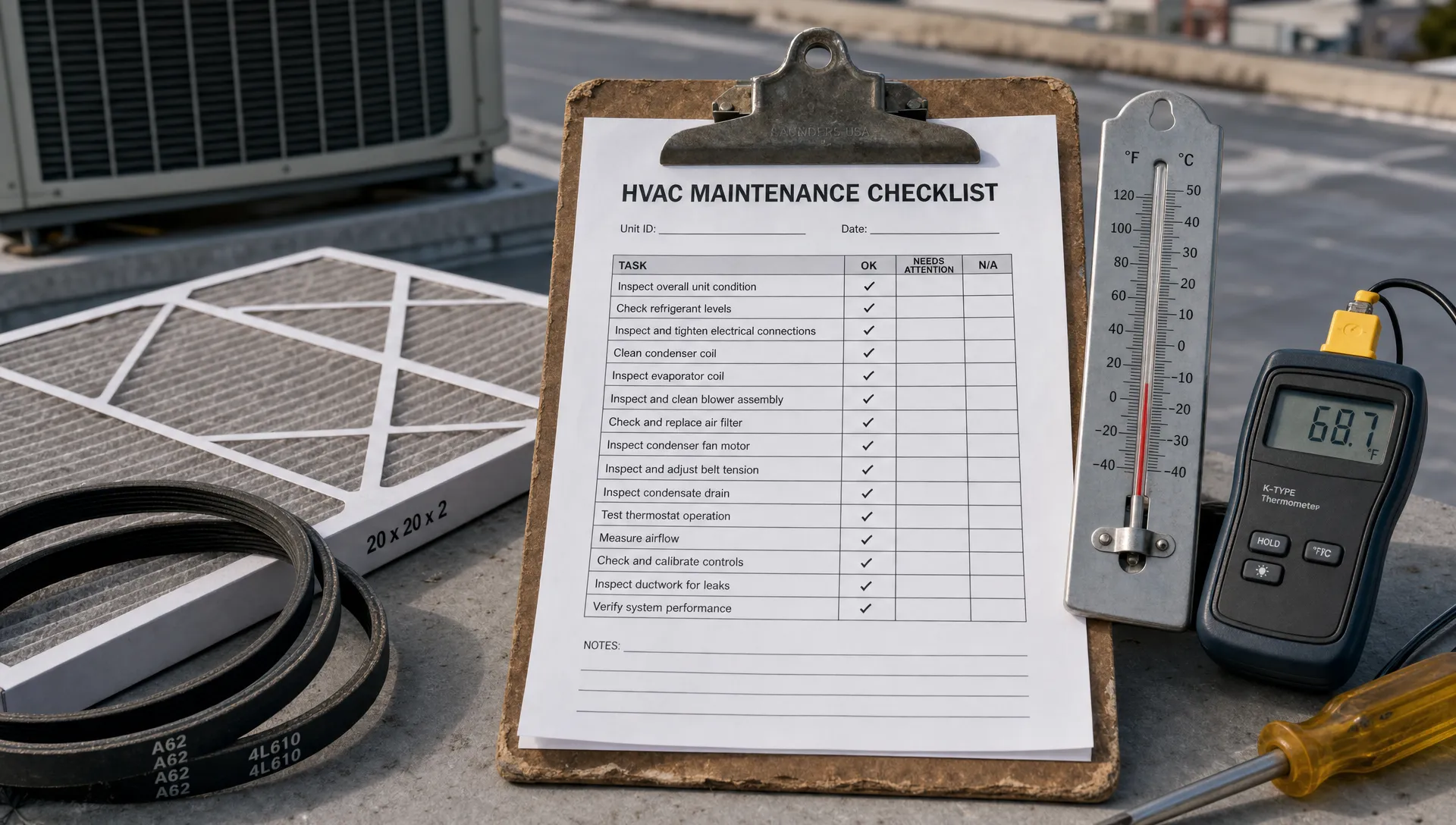
We inspect and clean filters, looking for damage that could affect performance. The hood plenum gets thoroughly degreased. We examine all accessible ductwork, clean fan blades and housing, check belts and bearings, verify your fire suppression system is operational, test all controls, and confirm proper airflow volumes.
At VA Commercial Repair Solutions, we create customized maintenance programs based on your specific kitchen operation. Our technicians don't just clean – they're trained to spot potential issues before they become expensive emergencies. That's why so many restaurants throughout Charlottesville, Harrisonburg and Lexington trust us with their ventilation maintenance.
When to Upgrade or Retrofit
Even well-maintained systems eventually need upgrades. Here are signs it might be time for improvements:
Rising energy bills often signal that newer technology could help. Modern systems with variable frequency drives and demand control ventilation can cut energy use dramatically.
Persistent smoke spillage or excessive kitchen heat suggests your current system no longer matches your needs. Sometimes code changes require modifications to stay compliant, and equipment changes (like adding a new fryer or grill) often necessitate ventilation adjustments.
Today's upgrade options offer impressive returns on investment. Energy monitoring systems track usage and identify savings opportunities. Smart controls automatically adjust fan speeds based on cooking activity, while VFD fans reduce consumption during slower periods. Some restaurants are adding UV technology that breaks down grease particles in ductwork, reducing cleaning frequency and fire risk.
Our team can evaluate your existing system and recommend targeted upgrades that improve performance while reducing operating costs. We focus on practical solutions that deliver real value – not just selling you the latest gadgets.

Proper maintenance isn't just about compliance – it's about protecting your investment, your property, and most importantly, your people. If you're looking for reliable Range Hood Repair services or have questions about maintaining your system, we're just a phone call away – and unlike many companies, you'll always reach a real person, not a voicemail.
Frequently Asked Questions about Commercial Kitchen Hood Installation
How long does a typical commercial kitchen hood installation take?
When restaurant owners ask me about timelines for their commercial kitchen hood installation , I usually tell them to plan for 2-5 days from start to finish. But I always explain that several factors can influence this:
The complexity of your system makes a big difference. A straightforward 8-foot hood with minimal ductwork might be completed in just 2 days, while a 14-foot hood with complex ductwork running through multiple floors could take a full work week.
Your building's structure plays a role too. In older buildings, we sometimes find structural elements that need reinforcement to support the hood system safely. These modifications add time but are absolutely essential for safety.
Permit processing varies dramatically between jurisdictions. Some areas provide permits within days, while others might take weeks. We help steer this process to minimize delays, but it's good to plan ahead.
Coordination with other trades is another consideration. We need to work hand-in-hand with electricians for wiring, plumbers for fire suppression connections, and sometimes roofers for exhaust fan installation. This orchestration takes careful planning.
At VA Commercial Repair Solutions, we provide detailed installation timelines during the quoting process, and we'll keep you updated every step of the way. We understand that kitchen downtime affects your bottom line, so we work efficiently to minimize disruptions.
Can I use a ductless system in a grease-heavy kitchen?
I get this question surprisingly often, and the answer is a clear and definite no. Ductless hoods (sometimes called recirculating hoods) simply cannot handle grease-heavy cooking operations safely or effectively.
While these systems might work fine in limited applications like warming prepared foods or reheating, they're completely inadequate for:
Commercial cooking equipment like fryers, grills, charbroilers, woks, or any appliance that produces significant grease vapors or smoke. The filters in ductless systems quickly become saturated with grease, dramatically reducing their effectiveness and creating fire hazards.
The National Fire Protection Association (NFPA 96) code specifically requires Type I hoods with external exhaust for grease-producing cooking operations. Most local health departments enforce this requirement strictly – and for good reason.
The fundamental problem is that ductless systems filter and recirculate air within the kitchen rather than removing it from the building. This approach simply cannot effectively capture and remove grease-laden vapors, smoke, and heat generated by commercial cooking.
Installing a ductless system in a grease-heavy kitchen environment creates serious fire risks, compromises indoor air quality, and violates codes in ways that could result in hefty fines or even forced business closure. It's just not worth the risk.
What happens if my hood fails an inspection?
Finding out your hood system failed inspection can be stressful, but understanding the process helps you respond effectively. Here's what typically happens:
First, the inspector provides a written report detailing specific violations. This documentation is crucial – it's your roadmap for corrections. The report will identify exactly what needs fixing, whether it's excessive grease buildup, damaged filters, or fire suppression issues.
Next, you'll receive a compliance timeline – usually 30-90 days to correct violations, depending on their severity. Critical safety issues might require immediate attention, while minor violations allow more time for corrections.
A follow-up inspection will be scheduled to verify that all issues have been addressed properly. This is your opportunity to demonstrate compliance and commitment to safety standards.
For serious violations, especially those compromising fire safety, consequences can include fines, mandatory system shutdown, or even temporary suspension of business operations until corrections are made.
Common reasons hoods fail inspection include:
- Excessive grease accumulation in hoods or ductwork
- Missing, damaged, or improper filters
- Improperly maintained fire suppression systems
- Unauthorized modifications made without permits
- Inadequate cleaning documentation
At VA Commercial Repair Solutions, we offer pre-inspection services to identify and correct potential issues before official inspections occur. Think of it as a dress rehearsal that helps prevent surprises. And if you've already failed an inspection, don't panic – our emergency response team can quickly address violations to get your kitchen back up to code and operational again.

Conclusion
Your restaurant's commercial kitchen hood isn't just another piece of equipment—it's the guardian of your business's safety, compliance, and success.
A properly installed commercial kitchen hood installation protects everything you've worked for. It safeguards your staff from harmful air contaminants, shields your property from devastating grease fires, and ensures you stay on the right side of health and safety regulations that could otherwise shut your doors.
Throughout this guide, we've walked through the critical elements of commercial hood systems—from the initial planning stages to long-term maintenance. We've seen how these systems do far more than just remove smoke; they create a safer, more comfortable environment for both your kitchen team and your customers.
Cutting corners on ventilation is never worth the risk. The upfront investment in professional installation pays dividends through:
- Reduced fire hazards (protecting both lives and your investment)
- Lower insurance premiums (many carriers offer discounts for properly installed systems)
- Improved staff retention (comfortable kitchens mean happier employees)
- Improved energy efficiency (modern systems can significantly reduce utility costs)
Here at VA Commercial Repair Solutions, we've been installing and servicing commercial kitchen hoods throughout Central Virginia for years. From Charlottesville to Lexington, our team has become the trusted partner for restaurants that refuse to compromise on safety and quality.
What makes our approach to commercial kitchen hood installation different? It starts with our commitment to being there when you need us. We answer every call live—you'll never reach voicemail when you need help. Our technicians arrive with fully-stocked trucks and the expertise to solve problems quickly and correctly the first time.
We believe in repairing rather than replacing whenever possible, saving you money without sacrificing safety or performance. And we stand behind our work with guarantees that give you peace of mind long after the installation is complete.
Don't leave your kitchen's ventilation to chance. Your business deserves the protection that comes from professional commercial kitchen hood installation by a team that understands both the technical requirements and the local codes that govern your operation.
Ready to ensure your kitchen is properly ventilated, code-compliant, and operating at peak efficiency? Contact VA Commercial Repair Solutions today. We're standing by to answer your call—a real person, ready to help with your commercial kitchen ventilation needs.